


The aerospace industry is one of the most technologically demanding sectors in the world, requiring precision, reliability, and consistency in every component manufactured. Among the various advanced technologies employed, orbital welding machines have emerged as an indispensable tool for fabricating high-quality metal joints, particularly in critical applications such as fuel systems, hydraulic lines, and structural components. This article explores the various applications of orbital welding machines in the aerospace industry, highlighting their advantages, operational principles, and impact on production efficiency.
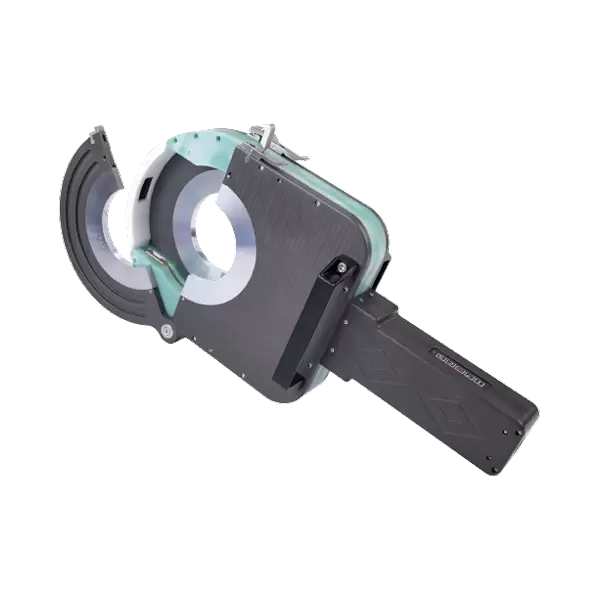
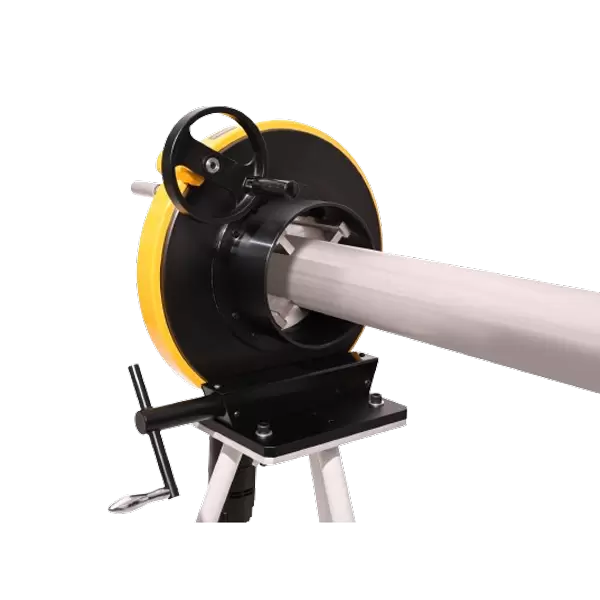
Before diving into their applications, it is crucial to understand what orbital welding machines are and why they are so valuable in aerospace manufacturing. Unlike conventional manual welding, orbital welding involves the automated rotation of the welding torch around a stationary workpiece, usually a pipe or tube. The process ensures a uniform weld bead with minimal human intervention, reducing the risk of errors and inconsistencies.
Key components of an orbital welding system include:
Power Source: Typically a TIG (Tungsten Inert Gas) welding power supply, which provides precise control over current and voltage.
Welding Head/Clamps: Mechanical fixtures that rotate the welding torch around the workpiece with consistent speed and pressure.
Control System: Computerized or programmable logic controllers (PLC) that manage welding parameters for repeatable and high-quality welds.
Shielding Gas Supply: Inert gases such as argon or helium are used to protect the weld pool from contamination.
The automation and precision provided by orbital welding machines make them particularly suited for the aerospace industry, where structural integrity and safety are paramount.
Aerospace fuel and hydraulic systems rely heavily on high-precision tubing and piping. Any imperfection in these lines can lead to catastrophic failure, making consistent and high-quality welds essential. Orbital welding machines are widely used to join stainless steel and nickel-based alloys in fuel lines, hydraulic tubing, and pressure systems.
Advantages include:
Consistent weld quality: Automated rotation ensures uniform penetration and avoids weld defects such as porosity or cracks.
Reduced contamination risk: Shielding gases and controlled environments prevent oxidation, which is critical for corrosion-resistant alloys.
High repeatability: Welding parameters can be pre-programmed, making it ideal for mass production of identical parts.
For example, aerospace fuel injection lines and hydraulic actuators often involve small-diameter tubing that is difficult to weld manually. Orbital welding ensures leak-free, high-strength joints, meeting strict aerospace standards.
The aerospace industry utilizes advanced materials such as titanium, aluminum, and high-strength stainless steel for aircraft frames, engine components, and landing gear. Welding these materials manually can introduce inconsistencies that compromise structural integrity. Orbital welding machines allow for precise control over heat input and weld bead placement, which is essential for critical load-bearing components.
Applications include:
Titanium alloy joints in airframe structures
Stainless steel supports in engine mounts
Aluminum alloy brackets for fuselage assembly
The ability to program specific weld cycles ensures that every joint meets stringent tolerances, which is vital in aerospace manufacturing where even minor deviations can lead to failure.
Modern rockets and spacecraft often rely on cryogenic propellants, which require piping systems that can withstand extremely low temperatures and high pressures. Orbital welding is ideally suited for these applications because:
Welds are uniform, minimizing weak points that could fail under thermal stress.
Tubes can be welded in automated environments to prevent contamination, which is crucial for sensitive propellant systems.
Complex geometries and small-diameter pipes can be welded with precision.
For instance, hydrogen and liquid oxygen lines in rocket propulsion systems often require orbital TIG welding to maintain leak-proof, high-strength joints.
Instruments and sensors used in aircraft and spacecraft are often encased in metallic housings that need precise welding to maintain hermetic seals. Orbital welding machines can create small, high-precision welds that preserve the integrity of the enclosure and prevent leaks or contamination.
Benefits include:
Minimized heat-affected zones: Prevents damage to sensitive electronic components.
Hermetic sealing: Ensures airtight and watertight housings for sensors.
Reproducibility: Ideal for batch production of instrumentation housings.
This makes orbital welding a preferred method for assembling satellite components, avionics housings, and navigation sensors.
The aerospace industry increasingly relies on exotic alloys such as Inconel, Hastelloy, and titanium for high-temperature and corrosion-resistant applications. These alloys are notoriously difficult to weld manually due to their sensitivity to heat input and susceptibility to cracking. Orbital welding machines provide controlled heat input and consistent welding speed, enabling high-quality joints even in challenging materials.
Key benefits:
Precision control reduces residual stress in the material.
Automated process ensures minimal distortion in thin-walled tubing.
Repeatable welds meet aerospace quality standards such as ASME, AWS, and ISO.
A significant advantage of using orbital welding machines in aerospace applications is their compatibility with modern inspection and quality assurance technologies. Machines can be equipped with:
Automated monitoring: Sensors track current, voltage, and rotation speed during welding.
Data logging: Complete welding records are stored for quality audits.
Integration with NDT (Non-Destructive Testing): Welds can be inspected using X-ray, ultrasonic, or dye penetrant testing to ensure integrity.
This integration is crucial for the aerospace industry, where traceability and certification are mandatory.
The widespread adoption of orbital welding machines in aerospace manufacturing is driven by several advantages:
High Precision and Consistency: Automated rotation eliminates variability caused by human operators.
Enhanced Safety: Fewer manual interventions reduce exposure to high heat and fumes.
Reduced Rework and Scrap: Defect-free welds lower production costs.
Efficiency: Multiple joints can be welded quickly using pre-programmed cycles.
Compliance: Machines can be calibrated to meet aerospace standards, ensuring regulatory compliance.
While orbital welding machines offer numerous benefits, aerospace manufacturers must also consider the following:
Initial Investment: High-quality orbital welding machines can be expensive, though long-term cost savings often justify the investment.
Training Requirements: Operators must be trained to program and maintain the machines properly.
Material Limitations: Some exotic alloys may require specialized welding heads or gas mixtures.
The future of orbital welding in aerospace looks promising, driven by:
Automation and Industry 4.0: Integration with robotic systems and AI for enhanced precision and predictive maintenance.
Lightweight Materials: Advanced machines capable of welding new alloys used in next-generation aircraft and spacecraft.
Additive Manufacturing Integration: Orbital welding may complement additive manufacturing techniques for hybrid structures.
As aerospace technology advances, orbital welding machines will continue to play a crucial role in ensuring the safety, efficiency, and performance of aircraft and spacecraft.
Orbital welding machines are a cornerstone of modern aerospace manufacturing, enabling the production of high-precision, reliable, and consistent metal joints. From fuel lines and hydraulic systems to structural components and instrumentation housings, these machines address the industry’s stringent requirements for safety, performance, and regulatory compliance. By combining automation, precision, and repeatability, orbital welding machines not only improve manufacturing efficiency but also ensure that aerospace components meet the highest quality standards. As technology continues to evolve, their role in the aerospace sector is expected to grow even further, driving innovation and enhancing the reliability of critical aerospace systems.

Mr. Jeff Huang
15251441199
Miss Doria Zhu
15102105304
Miss Jina Wang
18261592800








 Language
 Back
Back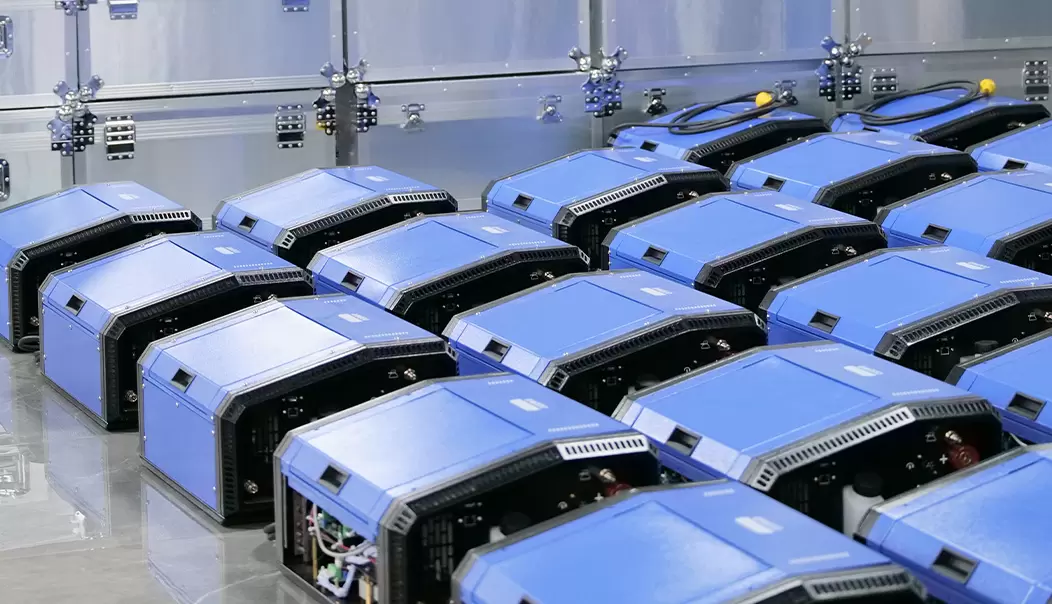
 Prev
Prev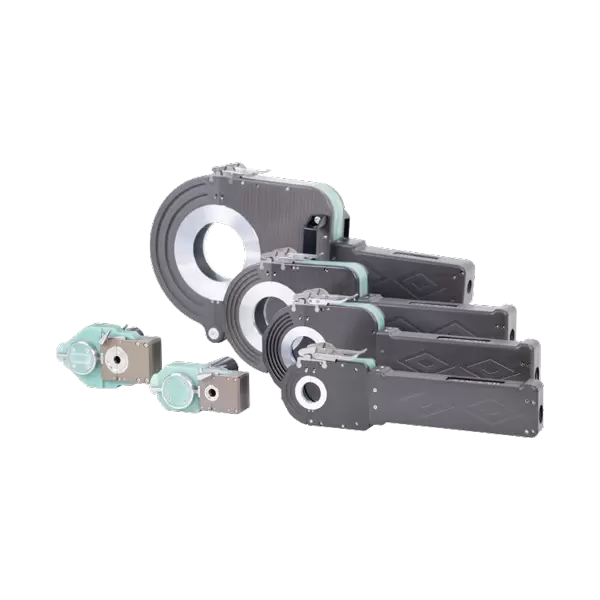
 Next
Next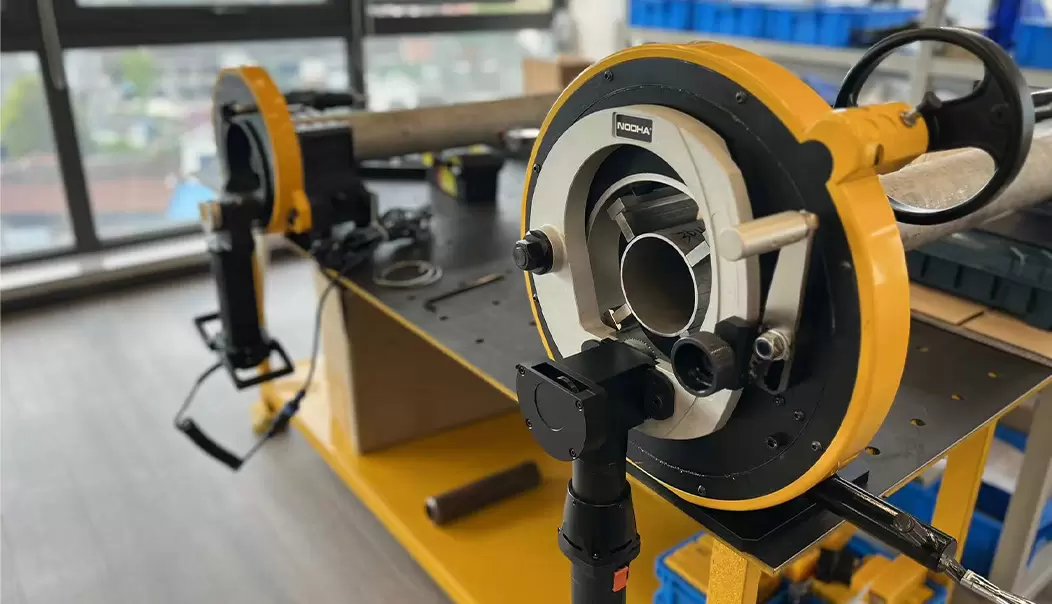
 Jun 13,2025
 Leave a Message