


In modern manufacturing industries, precision, efficiency, and repeatability are critical for maintaining competitive advantage. Tube welding, a fundamental process in many sectors—from chemical processing to aerospace—requires meticulous control to ensure strong, leak-free, and consistent joints. Traditional manual welding, while still widely used, often presents challenges including human error, variability, and slower production rates. Enter orbital welding machines, a revolutionary technology that has transformed the way industries approach tube welding. These machines offer a cost-effective solution for achieving high-quality, reliable welds with unparalleled precision.
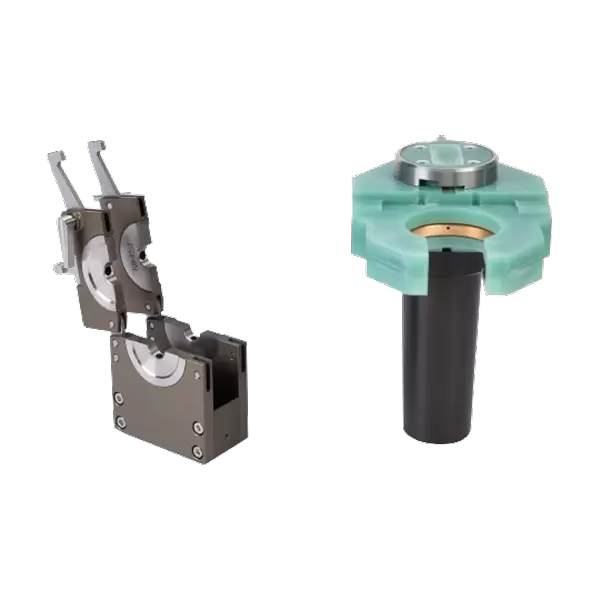
Orbital welding machines are specialized systems designed to automate the welding of tubes and pipes. Unlike manual welding, where the operator must guide the torch around the tube, orbital welding uses a mechanized welding head that rotates 360 degrees around the stationary tube. This controlled rotation ensures uniform heat distribution and consistent weld penetration, significantly reducing the risk of defects such as porosity, undercutting, or incomplete fusion.
One of the defining characteristics of orbital welding machines is their ability to perform high-precision tube welds. The welding head is often controlled by computer software that regulates parameters such as travel speed, current, voltage, and weld sequencing. By eliminating variability in operator technique, these machines produce repeatable, high-quality welds that meet the stringent standards required in industries like pharmaceutical, semiconductor, aerospace, and power generation.
The adoption of automated tube welding brings several key benefits that contribute to cost savings and improved production efficiency:
Consistency and Quality: Manual welding is highly dependent on operator skill. Even experienced welders may introduce slight variations in weld bead size, heat input, or alignment, which can compromise the structural integrity of the weld. Orbital welding machines maintain consistent parameters for every weld, ensuring uniform quality across production batches.
Increased Productivity: Automated systems can operate continuously with minimal downtime. While a manual welder may require frequent breaks and adjustments, orbital machines can work in repetitive cycles with high speed and efficiency, increasing overall throughput.
Reduced Labor Costs: Though the initial investment in orbital welding equipment may be higher than conventional welding tools, the reduction in skilled labor requirements and decreased rework costs often results in significant long-term savings.
Enhanced Safety: Welding tubes, especially in confined spaces or hazardous environments, poses safety risks to human operators. Orbital welding machines minimize direct human involvement, reducing exposure to intense heat, fumes, and confined space hazards.
Precision for Specialized Applications: Certain industries demand exacting weld specifications. Pharmaceutical and semiconductor tubing, for example, requires clean, smooth, and fully penetrated welds to prevent contamination or leakage. Orbital welding machines excel in these applications, delivering high-precision tube welds that comply with strict industry standards.
Orbital welding machines are highly versatile and applicable across numerous sectors:
Pharmaceutical and Biotech Industries: Stainless steel tubing in these environments must be welded with extreme cleanliness to prevent microbial contamination. Orbital welding ensures smooth, consistent welds that are easy to clean and sterilize.
Semiconductor Manufacturing: Ultra-high purity tubes for transporting gases or chemicals demand defect-free welds. Automated systems provide the level of precision necessary to meet rigorous purity standards.
Aerospace and Aviation: Aerospace components often utilize small-diameter tubes requiring complex welds. Orbital welding machines achieve the tight tolerances and structural integrity essential for these critical applications.
Food and Beverage Processing: For sanitary tubing in beverage and food production, orbital welding delivers smooth joints that prevent bacterial buildup and facilitate efficient cleaning.
Power Generation and Petrochemical Industries: High-pressure piping and heat exchangers benefit from orbital welding's ability to maintain consistent penetration and joint strength, reducing the risk of leaks or failures.
At first glance, the capital investment required for orbital welding machines may seem substantial. However, when considering the overall cost savings and productivity improvements, these machines often prove to be the most economical solution for tube welding in the long term. Key aspects of cost-effectiveness include:
Reduced Rework and Scrap: With traditional manual welding, a significant portion of welds may require rework due to defects. Automated welding drastically reduces this waste, saving both material and labor costs.
Lower Operational Costs: Orbital welding machines require minimal supervision once programmed, which reduces labor expenses and allows operators to manage multiple tasks simultaneously.
Minimized Downtime: Consistent, high-quality welds mean fewer failures and maintenance issues, reducing downtime for repairs or replacements.
Energy Efficiency: Many modern orbital welding machines are designed to optimize heat input and energy usage, further lowering operational costs.
Selecting an appropriate orbital welding machine involves evaluating several factors to ensure alignment with production needs:
Tube Diameter and Wall Thickness: Machines are designed to accommodate specific size ranges. Ensuring compatibility prevents operational issues and achieves optimal weld quality.
Material Type: Stainless steel, titanium, copper, and other alloys may require different welding processes, including TIG or plasma arc.
Automation Level: Some machines offer fully automated operation with programmable cycles, while others provide semi-automated assistance. Choosing the right automation level depends on production volume and complexity.
Software and Controls: Advanced orbital welding machines feature user-friendly interfaces, data logging, and remote monitoring, enabling precise control over each weld and traceability for quality assurance.
Maintenance and Support: Reliable service and availability of replacement parts are crucial to maintaining production efficiency.
The demand for automated tube welding continues to rise as industries seek higher productivity, quality, and cost savings. Emerging trends include:
Integration with Smart Manufacturing: Orbital welding machines are increasingly compatible with Industry 4.0 systems, enabling real-time monitoring, predictive maintenance, and integration with other automated production equipment.
Adaptive Welding Technologies: Future machines will incorporate sensors and AI algorithms to adapt weld parameters dynamically, accommodating variations in tube material or positioning.
Miniaturization: For high-precision applications, especially in medical and semiconductor industries, compact orbital welding heads are being developed to handle smaller-diameter tubes with exceptional accuracy.
Orbital welding machines represent a transformative solution for modern tube welding. By offering consistent, high-quality, and repeatable welds, they provide a clear cost-effective solution for tube welding challenges across multiple industries. Their ability to deliver high-precision tube welds, coupled with improved productivity, reduced labor costs, and enhanced safety, makes them an invaluable investment for manufacturers seeking to maintain competitive advantage.
As industries continue to embrace automation, the adoption of orbital welding machines is likely to grow, driving innovation and setting new standards for precision and efficiency in tube welding. For manufacturers aiming to optimize their welding operations, orbital welding machines are no longer a luxury—they are a strategic necessity.

Mr. Jeff Huang
15251441199
Miss Doria Zhu
15102105304
Miss Jina Wang
18261592800








 Language
 Back
Back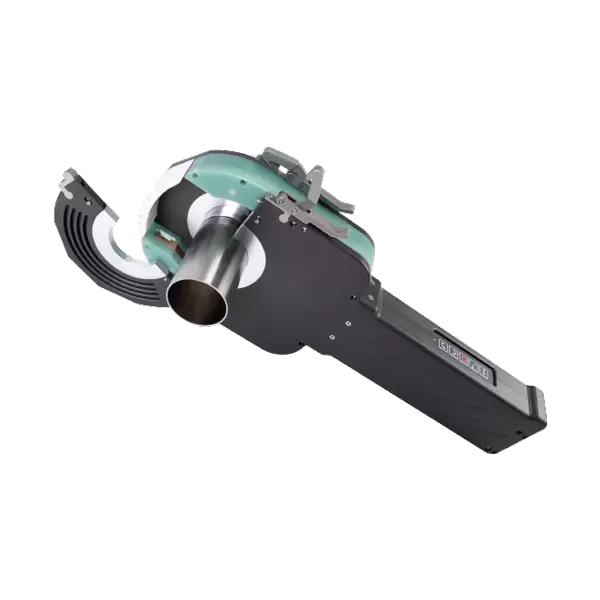
 Prev
Prev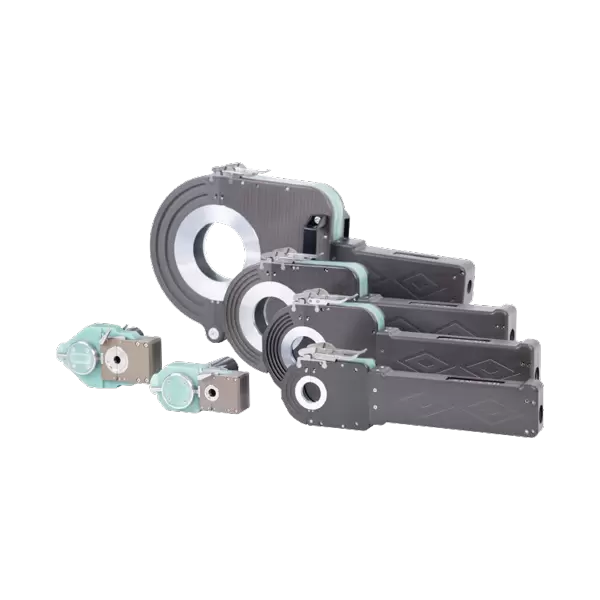
 Next
Next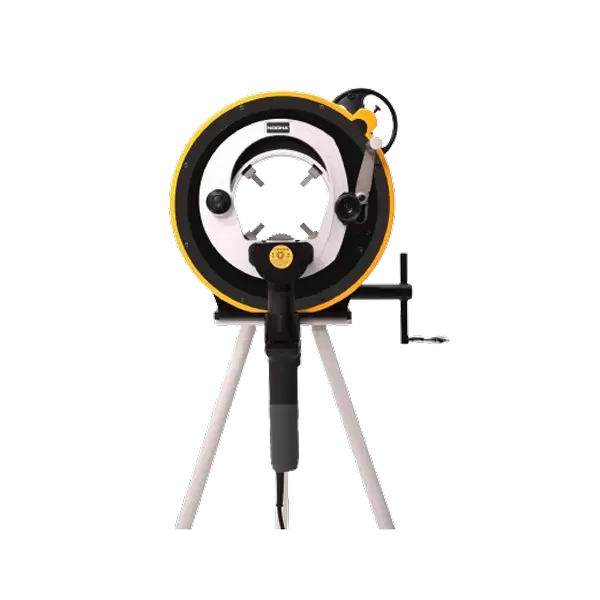
 Sep 10,2026
 Leave a Message