


In modern food processing facilities, maintaining a high level of hygiene is not just a regulatory requirement—it is essential for ensuring product quality, consumer safety, and operational efficiency. One of the critical aspects of hygienic food processing is the design and construction of the piping systems that transport liquids, powders, and other ingredients. These systems must meet stringent standards to prevent contamination, facilitate cleaning, and ensure consistent product flow. Orbital welding machines have emerged as a cornerstone technology for achieving these goals, offering precision, repeatability, and compliance with sanitary standards.
Hygienic piping in food processing is designed to prevent microbial growth, contamination, and cross-contact between different products. Typical materials include stainless steel grades such as 304L and 316L, which provide corrosion resistance, smooth surfaces, and compatibility with cleaning-in-place (CIP) and sterilization-in-place (SIP) processes. These pipes often feature tri-clamp fittings, sanitary elbows, and polished interiors to minimize residue accumulation and ensure rapid cleaning.
However, assembling these piping systems poses unique challenges. Manual welding can introduce inconsistencies, contamination, and potential leak paths. Inconsistent welds can create crevices where bacteria may thrive, undermining the hygienic design of the system. Therefore, precision welding methods are critical, and this is where orbital welding machines shine.
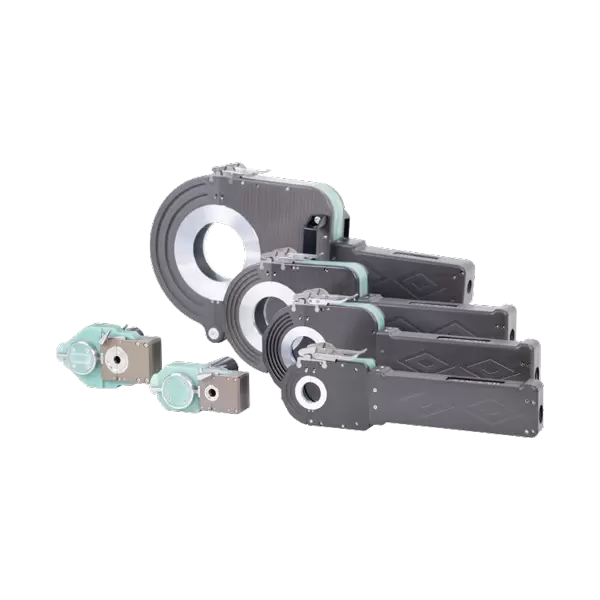
Orbital welding is an automated process in which a welding head rotates 360 degrees around a stationary workpiece, typically a pipe or tube, under precisely controlled conditions. Unlike manual welding, orbital welding relies on computer-controlled parameters to produce uniform, high-quality welds. Key features include:
Automated torch rotation ensuring consistent weld bead and penetration.
Pre-programmed welding parameters such as current, voltage, travel speed, and shielding gas flow.
Real-time monitoring and data logging, which allows traceability and quality assurance.
Remote operation capabilities, reducing operator exposure to heat, fumes, and contamination risks.
For hygienic food processing, orbital welding machines are often equipped with specialized clamps, purge systems, and internal gas shielding to maintain a contaminant-free environment.
The primary advantage of orbital welding machines in food piping systems is the elimination of crevices and irregularities. Automated welding ensures smooth, full-penetration joints without undercuts, porosity, or excessive reinforcement. Smooth, defect-free welds significantly reduce the risk of microbial growth and make cleaning processes more effective.
Food processing facilities often require multiple identical piping runs, especially in modular or automated production lines. Orbital welding machines deliver unparalleled consistency. Once the welding program is set, every weld follows the same parameters, resulting in identical joints regardless of operator experience or fatigue. This repeatability is crucial for large-scale production lines where variability can compromise both hygiene and product quality.
Orbital welding helps manufacturers meet international sanitary standards such as 3-A Sanitary Standards, EHEDG (European Hygienic Engineering & Design Group), and FDA regulations. These standards demand welds that are smooth, cleanable, and free from contaminants—requirements that orbital welding meets with high precision.
Manual welding in hygienic environments requires highly skilled operators and extensive training. Orbital welding reduces dependency on operator skill, thereby minimizing training costs and human error. Additionally, the automated process often accelerates production by allowing continuous, unattended welding once programs are set.
Modern orbital welding machines are equipped with data logging systems that record parameters for each weld. This capability supports traceability in quality audits, regulatory inspections, and product recalls. For food processors aiming for certification in ISO 22000 or FSSC 22000, this feature is invaluable.
The welding head is the core component that rotates around the pipe. In hygienic applications, welding heads are often made of stainless steel and feature quick-change clamps that fit a range of pipe diameters without introducing contamination. Clamps are designed to maintain concentricity, ensuring uniform weld penetration.
The control unit manages all welding parameters, including current, voltage, arc length, travel speed, and shielding gas flow. Advanced units allow for programming multiple weld sequences, enabling complex piping layouts to be welded with minimal operator intervention.
In orbital TIG welding, especially on stainless steel, internal purging with inert gas (typically argon) is necessary to prevent oxidation inside the pipe. Hygienic orbital welding machines integrate purge systems that ensure clean, oxide-free welds, preserving the corrosion resistance of stainless steel.
External shielding gas prevents atmospheric contamination at the weld pool. In food piping applications, precise control of shielding gas ensures a clean surface finish with minimal discoloration, maintaining sanitary integrity.
Orbital welding machines are widely used in industries where cleanliness, sterility, and durability are paramount. Some applications include:
Dairy processing: Piping for milk, cheese, and yogurt production requires smooth, cleanable welds to prevent bacterial growth.
Beverage production: Soft drinks, juices, and alcoholic beverages benefit from leak-free, corrosion-resistant piping.
Pharmaceutical-grade food production: Nutraceuticals and fortified foods demand welds that meet strict hygienic criteria.
Baking and syrup systems: Viscous liquids require high-integrity welds to avoid clogging and contamination.
Flavor and additive injection lines: Precision orbital welding ensures consistent flow and minimizes contamination risk.
When choosing an orbital welding machine for hygienic food piping, several factors should be considered:
Machines are rated for specific pipe diameters and wall thicknesses. It is essential to match the welding head and clamps to the piping specifications to ensure proper penetration and alignment.
Orbital welding machines range from semi-automatic to fully automatic systems. Semi-automatic systems may require manual arc initiation, while fully automatic machines handle the entire weld sequence autonomously. Food processors with high-volume production benefit from fully automated solutions.
For industries with strict regulatory requirements, machines with built-in weld monitoring, real-time parameter recording, and reporting features are preferred. These features simplify compliance and quality control.
Some food processing facilities require orbital welding in tight or complex layouts. Portable, compact welding heads and flexible power units allow for on-site welding without compromising hygiene.
While most food processing piping uses 304L or 316L stainless steel, some specialty applications may involve duplex stainless steel, titanium, or nickel alloys. Ensure that the orbital welding machine is compatible with the intended material.
Maintaining orbital welding machines is critical to ensure consistent, high-quality welds. Recommended practices include:
Regular calibration of current, voltage, and travel speed settings.
Inspection of clamps, collets, and torch components for wear or contamination.
Purging gas line checks to avoid leaks or contamination.
Cleaning the machine surfaces to prevent cross-contamination in hygienic environments.
Periodic training for operators to handle programming, troubleshooting, and maintenance efficiently.
Additionally, food processing facilities should establish welding procedure specifications (WPS) tailored to each pipe type and diameter, ensuring every weld meets sanitary standards.
The adoption of orbital welding machines in the food industry continues to grow, driven by automation, hygiene demands, and regulatory compliance. Emerging trends include:
Integration with Industry 4.0 systems: Machines with network connectivity allow centralized monitoring, predictive maintenance, and data analytics.
Advanced adaptive welding technologies: Machines can adjust welding parameters in real time based on pipe alignment, diameter variations, and environmental conditions.
Robotic orbital welding: Some facilities are implementing robotic arms for welding complex piping networks, combining orbital welding precision with robotic flexibility.
Eco-friendly and energy-efficient designs: Modern machines focus on reducing energy consumption while maintaining high-quality welds.
Orbital welding machines have revolutionized the assembly of hygienic food processing piping systems. By delivering consistent, high-quality welds, they minimize contamination risks, ensure compliance with sanitary standards, and enhance operational efficiency. From dairy and beverage production to pharmaceutical-grade food manufacturing, these machines play a pivotal role in maintaining hygiene, reliability, and traceability.
For food processors aiming to meet strict regulatory standards and consumer expectations, investing in orbital welding technology is not just a technical choice—it is a strategic move toward safer, cleaner, and more efficient production.

Mr. Jeff Huang
15251441199
Miss Doria Zhu
15102105304
Miss Jina Wang
18261592800








 Language
 Back
Back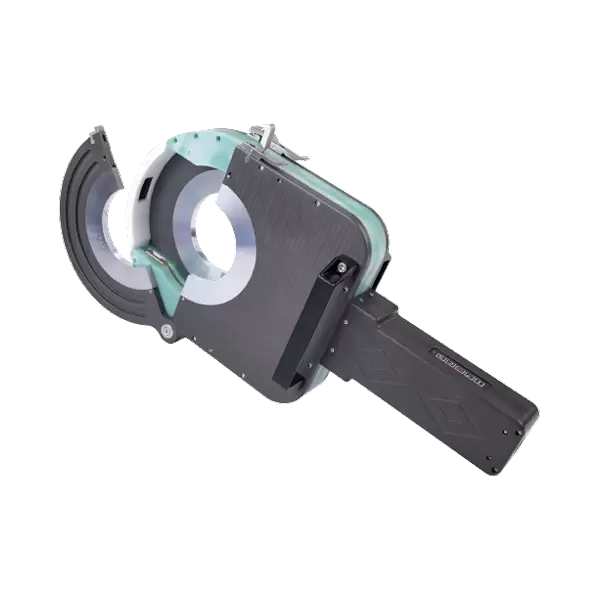
 Prev
Prev
 Next
Next
 Mar 28,2025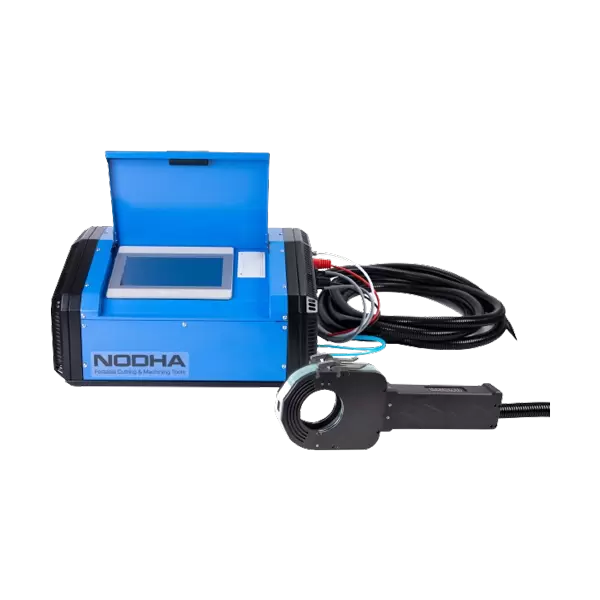
 Leave a Message