


The aerospace industry is one of the most demanding manufacturing sectors in the world. Every component used in aircraft, spacecraft, and aviation systems must meet strict requirements for safety, reliability, weight reduction, and long-term performance. Among all manufacturing processes, tube and pipe fabrication plays a critical role in aerospace applications, especially in fuel systems, hydraulic systems, pneumatic systems, cooling systems, and high-pressure fluid delivery networks.
To achieve the extreme precision required by aerospace engineering, traditional cutting methods are often unable to provide the consistency and quality needed for advanced applications. This is where Orbital Cutting Machines have become an important solution for aerospace manufacturers and precision fabrication companies.
With advanced cutting technology, automated operation, and superior repeatability, orbital cutting equipment helps manufacturers produce clean, accurate, and deformation-free tube cuts while reducing material waste and improving production efficiency. This article explores how orbital cutting technology supports aerospace manufacturing, the key advantages it offers, and why more aerospace suppliers are adopting these precision cutting solutions.
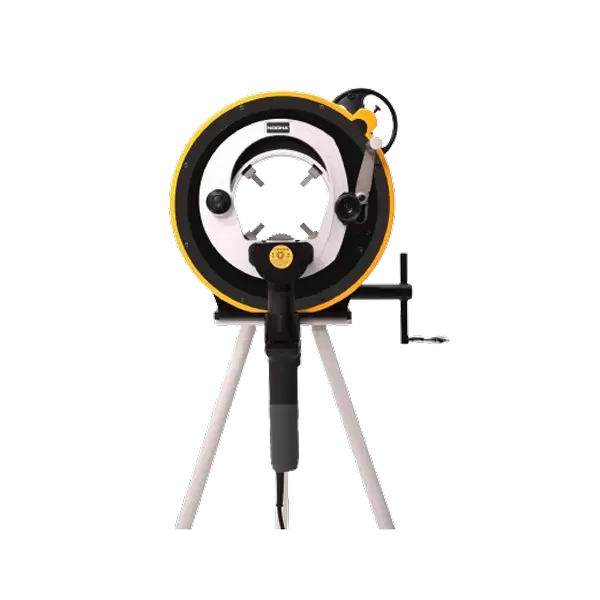
Aerospace systems rely heavily on complex tube assemblies. These components may appear simple, but their manufacturing requirements are extremely strict. Even a small dimensional error, uneven cutting edge, or excessive burr formation can affect assembly accuracy, welding quality, and system performance.
Typical aerospace applications involving precision tube cutting include:
Aircraft hydraulic piping systems
Fuel delivery systems
Engine tubing assemblies
Oxygen and air supply systems
Spacecraft fluid control systems
High-pressure gas pipelines
Heat exchange and cooling systems
Many aerospace tubes are manufactured from advanced materials such as stainless steel, titanium alloys, nickel-based alloys, and other high-performance metals. These materials provide excellent strength-to-weight ratios but can also be challenging to machine.
Aerospace manufacturers require cutting equipment that can deliver:
Extremely accurate cutting dimensions
Minimal heat influence
Smooth and clean cut surfaces
Low deformation during processing
Consistent repeatability for mass production
Traditional sawing or manual cutting processes may create challenges such as burrs, uneven edges, material distortion, and additional finishing requirements. Therefore, precision cutting technologies have become essential in modern aerospace manufacturing.
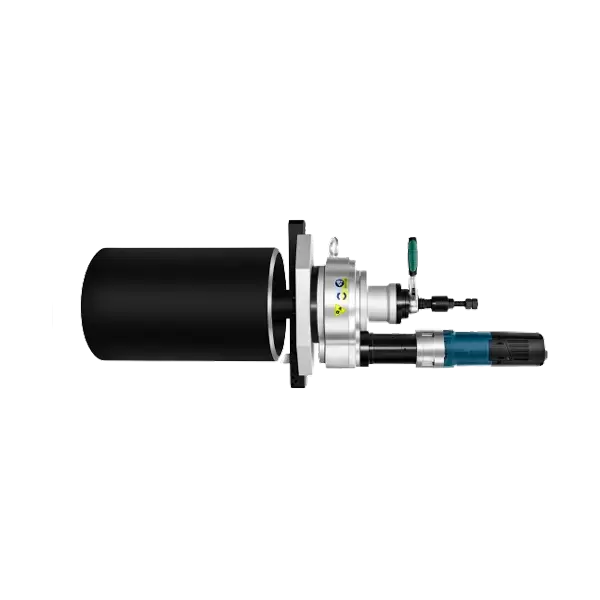
Orbital Cutting Machines are specialized cutting systems designed to cut tubes and pipes by rotating a cutting tool around the fixed workpiece. Unlike conventional cutting methods where the tube rotates or moves through a blade, orbital cutting technology allows the cutting head to travel around the tube circumference.
This unique cutting principle provides several advantages, especially when working with thin-wall tubes and high-value aerospace materials.
The basic working process includes:
The tube is securely positioned inside the machine.
The orbital cutting head rotates around the tube.
The cutting blade or tool gradually penetrates the material.
The machine completes a precise 360-degree cut.
The finished tube is ready for further processing, such as welding or assembly.
Because the cutting force is distributed evenly around the tube, orbital cutting minimizes mechanical stress and produces a cleaner cut compared with many conventional methods.
Precision is one of the most important requirements in aerospace manufacturing. Tube assemblies must fit perfectly with other components to ensure leak-free connections and reliable operation.
Modern Orbital Cutting Machines provide highly accurate cutting performance through:
Computer-controlled operation
Stable cutting mechanisms
Precise positioning systems
Automated cutting parameters
This level of accuracy helps aerospace manufacturers maintain strict dimensional tolerances and improve overall assembly quality.
For aerospace components where every millimeter matters, consistent cutting accuracy reduces production risks and improves final product reliability.
The quality of a tube edge directly affects subsequent manufacturing processes, especially orbital welding and precision assembly.
Poor cutting quality may result in:
Excessive burrs
Uneven edges
Additional grinding requirements
Contamination risks
Poor welding performance
Orbital cutting technology produces smooth and clean tube ends, reducing the need for secondary processing.
For aerospace applications, where cleanliness and precision are critical, high-quality cutting surfaces help manufacturers achieve better welding results and stronger connections.
Aerospace manufacturers frequently use lightweight materials to reduce aircraft weight and improve fuel efficiency. However, thin-wall tubes and advanced alloys require careful machining to prevent damage.
Materials commonly processed with orbital cutting equipment include:
Stainless steel
Titanium alloys
Aluminum alloys
Inconel and other nickel alloys
High-strength aerospace metals
Orbital Cutting Machines apply controlled cutting forces, reducing the risk of:
Tube deformation
Material cracking
Excessive heat generation
Dimensional changes
This makes them suitable for producing high-value aerospace components where material performance must be preserved.
Aerospace manufacturing often involves complex components with high-quality requirements. Although precision is essential, manufacturers must also maintain efficient production processes.
Compared with manual cutting methods, automated orbital cutting systems provide:
Faster cutting cycles
Reduced operator dependency
Consistent production quality
Lower material waste
Improved workflow efficiency
For aerospace suppliers producing multiple tube assemblies, automation helps increase production capacity while maintaining strict quality standards.
Many aerospace tube systems require orbital welding to create high-strength, leak-resistant connections. The quality of the tube preparation directly affects welding performance.
A precise cutting process provides:
Accurate tube alignment
Consistent joint preparation
Better welding penetration
Reduced welding defects
When combined with automated welding technologies, Orbital Cutting Machines create a complete precision tube fabrication solution for aerospace manufacturers.
Hydraulic systems control essential aircraft functions, including landing gear, flight control surfaces, and braking systems.
These systems require tubes that can withstand high pressure and extreme operating conditions. Precision cutting ensures proper fitting and reliable connections throughout the hydraulic network.
Fuel systems require excellent sealing performance and contamination control. Any cutting imperfection may affect connection quality and system reliability.
Orbital cutting equipment helps manufacturers produce accurate tube components for fuel lines while maintaining clean internal and external surfaces.
Engine environments involve high temperatures, vibration, and pressure fluctuations. Components used in these systems must meet demanding engineering standards.
Precision-cut tubes are widely used in:
Engine fuel delivery
Cooling circuits
Lubrication systems
Pressure control systems
Orbital cutting technology supports the production of reliable engine tubing assemblies.
Spacecraft manufacturing requires even higher levels of precision because maintenance and repair opportunities are extremely limited after launch.
Orbital cutting solutions help produce components for:
Spacecraft fluid systems
Satellite thermal control systems
Rocket fuel systems
High-pressure gas systems
The repeatability and reliability of orbital cutting technology make it valuable for advanced aerospace projects.
Choosing the right cutting equipment is essential for aerospace manufacturers. Important factors include:
Different aerospace projects require different tube sizes and materials. Manufacturers should select equipment capable of handling their specific tube dimensions and alloy requirements.
Aerospace production requires consistent results across every component. Machines with advanced control systems can maintain stable performance during continuous operation.
Automated features can improve productivity and reduce human errors. Important automation functions may include:
Digital parameter adjustment
Programmable cutting cycles
Automated speed control
Process monitoring
High-quality cutting tools improve equipment lifespan and cutting performance. Easy maintenance design also helps reduce downtime during production.
Many aerospace manufacturers require equipment that can integrate with existing production lines, including:
Orbital welding systems
CNC machining equipment
Inspection systems
Quality management platforms
A well-integrated manufacturing process improves overall efficiency.
Aerospace manufacturers operate under strict quality management systems. Production equipment must support consistent processes and reliable documentation.
Advanced Orbital Cutting Machines contribute to quality control through:
Repeatable cutting performance
Reduced operator variation
Stable processing conditions
Improved production traceability
By improving manufacturing consistency, orbital cutting technology helps aerospace suppliers meet demanding industry requirements and customer expectations.
As aerospace technology continues to develop, manufacturers are looking for smarter and more efficient production solutions.
Future trends may include:
More aerospace factories are adopting automated production systems to improve efficiency and reduce labor dependency.
Smart manufacturing technologies allow equipment to collect production data, monitor performance, and optimize cutting processes.
With the development of advanced aircraft, electric aviation, and space exploration systems, the demand for extremely precise tube fabrication will continue to grow.
New aerospace materials require advanced cutting technologies that can handle complex alloys while maintaining excellent surface quality.
The aerospace industry demands manufacturing solutions that combine precision, reliability, and efficiency. For tube and pipe fabrication, Orbital Cutting Machines provide an advanced approach to achieving accurate, clean, and repeatable cuts for critical aerospace components.
From aircraft hydraulic systems and fuel pipelines to spacecraft fluid control applications, orbital cutting technology helps manufacturers improve production quality while reducing material waste and processing challenges.
As aerospace engineering continues to advance, precision cutting solutions will play an increasingly important role in supporting safer aircraft, more efficient production processes, and next-generation aerospace innovations.
For aerospace manufacturers seeking reliable tube fabrication performance, investing in advanced orbital cutting technology is a strategic choice for improving quality, productivity, and long-term competitiveness.

Mr. Jeff Huang
15251441199
Miss Doria Zhu
15102105304
Miss Jina Wang
18261592800








 Language
 Back
Back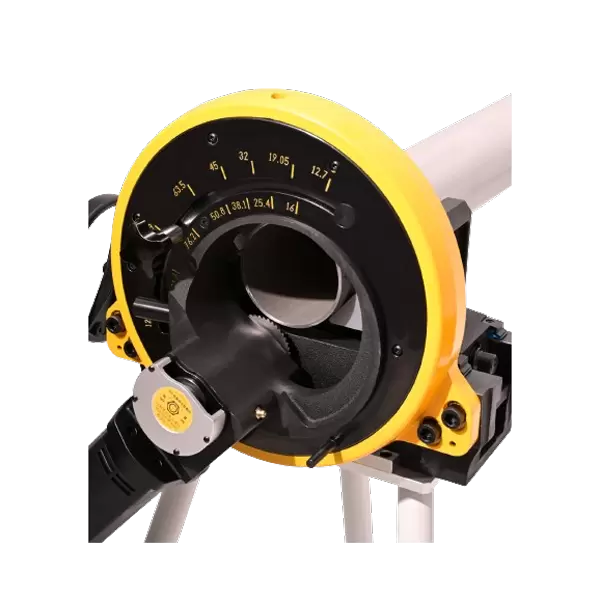
 Prev
Prev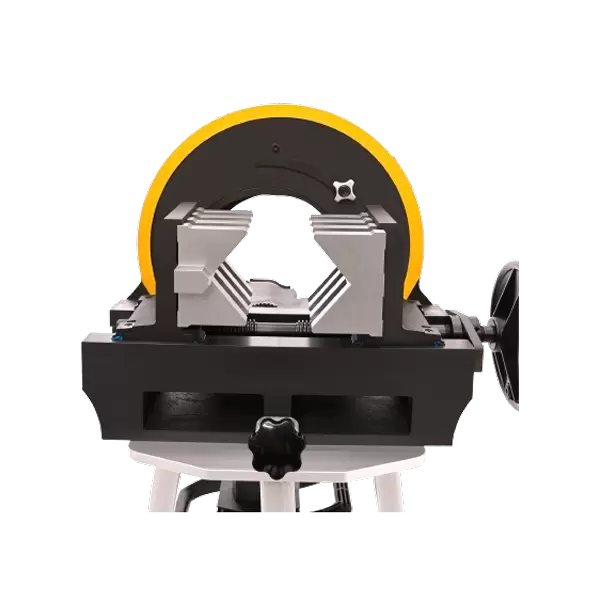
 Next
Next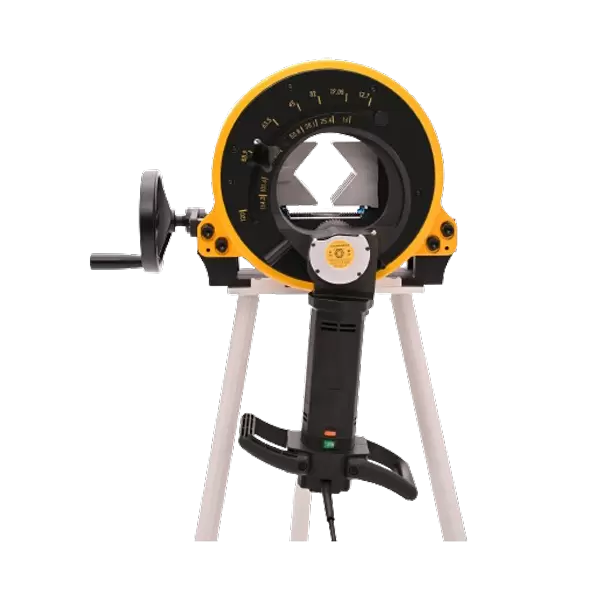
 Jul 01,2026
 Leave a Message