


In today’s industrial landscape, precision and efficiency are paramount, especially when it comes to welding applications. Orbital welding machines have emerged as essential tools for industries requiring high-quality, repeatable, and reliable welds, particularly for pipes and thin-walled tubes. From pharmaceuticals and semiconductors to chemical and food processing, choosing the right orbital welding machine is a critical decision that can significantly impact production efficiency, product quality, and operational costs.
This guide explores how to select the right orbital welding machine for your industry, highlighting the key factors, technical considerations, and industry-specific requirements to ensure you make an informed decision.
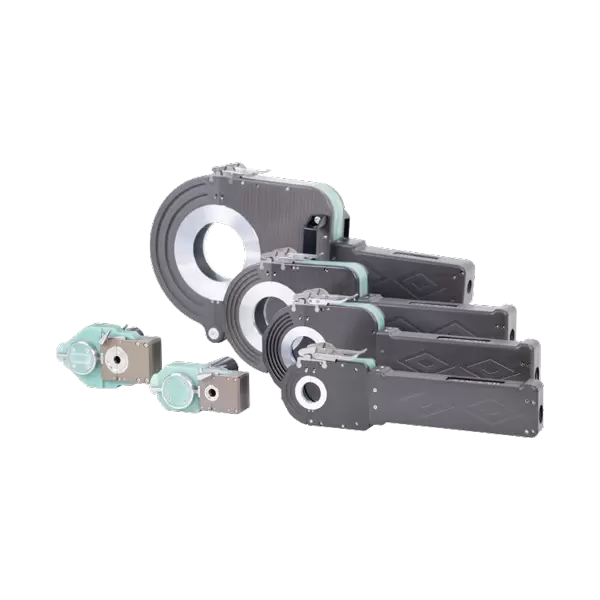
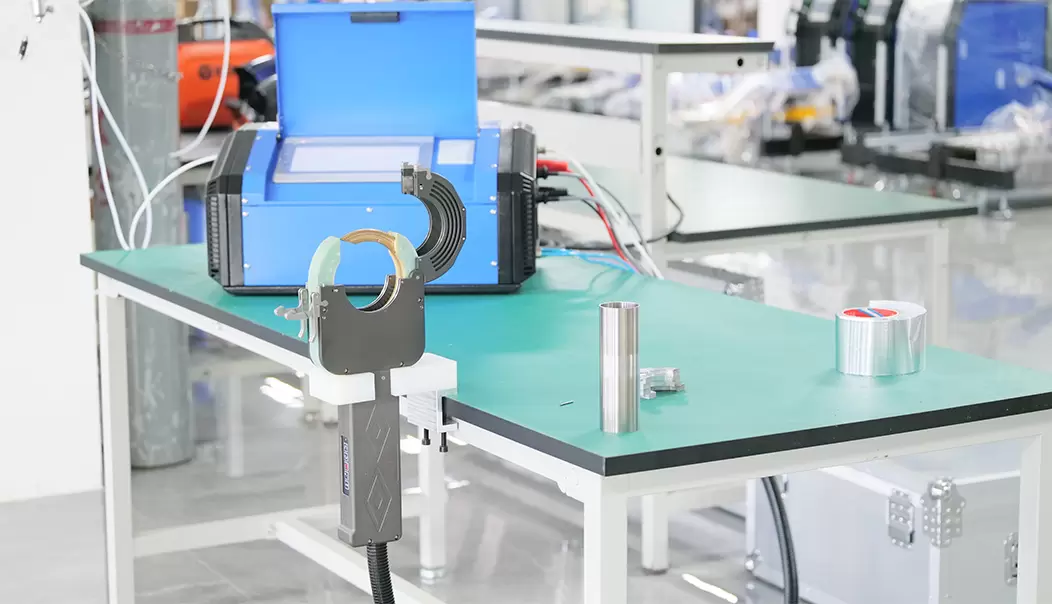
Orbital welding is an automated welding process in which the welding arc rotates mechanically around a stationary pipe or tube. Unlike manual welding, orbital welding machines provide consistent, precise, and repeatable welds, minimizing human error and enhancing production efficiency. A typical orbital welding system comprises:
Welding Power Source: Controls current, voltage, and welding parameters. Modern digital power sources, like the P200, feature programmable welding functions and parameter libraries.
Rotating Welding Head: Secures the pipe and rotates the arc around the tube for uniform welds.
Control Interface: Allows operators to program, monitor, and adjust welding parameters.
Auxiliary Equipment: Includes gas flow regulators, cooling systems, and fault detection sensors.
Understanding these components is essential before selecting a machine tailored to your industry’s requirements.
Different industries have unique welding demands, and understanding these requirements is the first step in selecting the right orbital welding machine:
Chemical Industry: Requires welds that are leak-proof and corrosion-resistant. Orbital welding machines must handle stainless steel or alloy pipes with high precision.
Pharmaceutical Industry: Demands sterile, smooth internal welds to meet hygiene standards. Machines should support high-purity welding with closed chamber heads.
Food and Beverage: Requires welds without crevices to prevent bacterial growth. Machines must ensure consistent, high-quality welds.
Semiconductors: Often involves extremely thin-walled tubes requiring precise heat control to maintain vacuum integrity.
Heat Exchangers and HVAC: Large-scale production may require high-speed welding with reliable, repeatable performance.
Selecting a machine without considering your industry’s specific welding needs may lead to poor weld quality, downtime, and additional costs.
The type of pipes and materials you intend to weld plays a crucial role in machine selection:
Pipe Diameter and Wall Thickness: Thin-walled pipes require precise control of heat input to avoid burn-through or deformation. Machines should support the specific diameter range used in your industry.
Material Compatibility: Stainless steel, titanium, aluminum, and other alloys each require different welding parameters. Ensure the machine can accommodate the materials used in your production line.
Joint Type: Butt joints, socket welds, and other configurations may require different welding heads or setups.
Matching your machine to the pipe specifications ensures consistent quality and reduces operational risks.
The welding power source is the core of any orbital welding machine. Key features to consider include:
Digital Control: Provides precise control over current, rotation speed, and gas flow, essential for thin-walled or high-purity applications.
Parameter Libraries and Automatic Calculation: Allows the machine to generate welding programs based on pipe diameter, wall thickness, and material, reducing setup time and human error.
All-Position Welding Capability: Supports vertical, horizontal, and overhead welding, critical for complex pipe layouts.
Real-Time Adjustments: Enables operators to fine-tune welding parameters during the process, improving flexibility and quality.
Software Upgrades and Offline Programming: Facilitates remote updates and pre-programming, enhancing adaptability and efficiency.
Investing in a robust, digital power source ensures consistent welds and long-term operational reliability.
Orbital welding machines are available in semi-automatic and fully automated configurations:
Semi-Automatic Machines: Require operator input for some steps but offer flexibility for custom or low-volume production.
Fully Automated Machines: Ideal for high-volume production, capable of program-controlled welding with minimal human intervention.
Consider your production volume, labor costs, and the need for repeatability when selecting the automation level.
The welding head plays a critical role in securing pipes and controlling the weld:
Clamping Precision: Ensures the pipe is held securely without deformation.
Rotational Accuracy: Maintains uniform penetration and consistent welds.
Closed vs. Open Chamber Heads: Closed chambers are preferred for thin-walled tubes or high-purity industries like pharmaceuticals and semiconductors.
Compatibility: The welding head should match your power source and pipe sizes to ensure optimal performance.
A compatible, high-quality welding head improves weld integrity and reduces the risk of defects.
Safety and quality control are essential considerations:
Gas and Water Flow Sensors: Prevent welding without adequate shielding or cooling.
Electrical and Thermal Fault Detection: Monitors irregularities to protect equipment and operators.
Emergency Stop Mechanisms: Allows immediate halting of welding operations in case of hazards.
Advanced fault detection systems reduce downtime, improve safety, and ensure consistent weld quality.
Weld quality standards vary by industry:
ASME, ISO, AWS Certification: Ensures the machine can produce welds that meet regulatory requirements.
Traceability and Logging: Machines with parameter logging allow industries like pharmaceuticals and semiconductors to maintain quality documentation.
Compliance with industry standards guarantees both product integrity and regulatory adherence.
Long-term operational costs are as important as the initial purchase price:
Ease of Maintenance: Machines with modular components simplify servicing and repairs.
Availability of Spare Parts: Reduces downtime and operational disruptions.
Vendor Support and Training: Ensure proper setup, programming, and troubleshooting.
Total Cost of Ownership: Include energy consumption, consumables, labor, and productivity gains in your evaluation.
Selecting a machine with reliable support and low maintenance demands maximizes ROI and ensures uninterrupted production.
Technology in orbital welding continues to evolve. Consider features that enhance longevity and adaptability:
Software Upgradeability: Future enhancements without replacing hardware.
Modular Design: Allows adding welding heads or automation modules.
Integration with Industry 4.0: Enables real-time monitoring, data analytics, and process optimization.
A future-proof orbital welding machine protects your investment and keeps your operations competitive.
Selecting the right orbital welding machine for your industry is a multifaceted decision that requires careful consideration of your industry requirements, pipe specifications, welding power source features, automation level, welding head design, safety, compliance, maintenance, and future scalability.
By analyzing these factors, manufacturers can achieve high-precision, reliable, and repeatable welds, reduce downtime, and improve production efficiency. Whether you operate in pharmaceuticals, semiconductors, chemical processing, food production, or heat exchanger manufacturing, investing in the right orbital welding machine is a strategic move that ensures quality, efficiency, and long-term operational excellence.
Choosing wisely today guarantees that your welding operations remain competitive, safe, and adaptable to future technological advancements

Mr. Jeff Huang
15251441199
Miss Doria Zhu
15102105304
Miss Jina Wang
18261592800








 Language
 Back
Back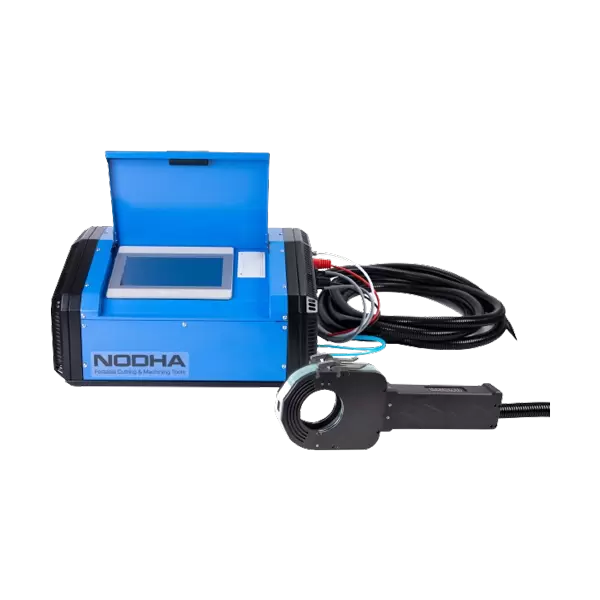
 Prev
Prev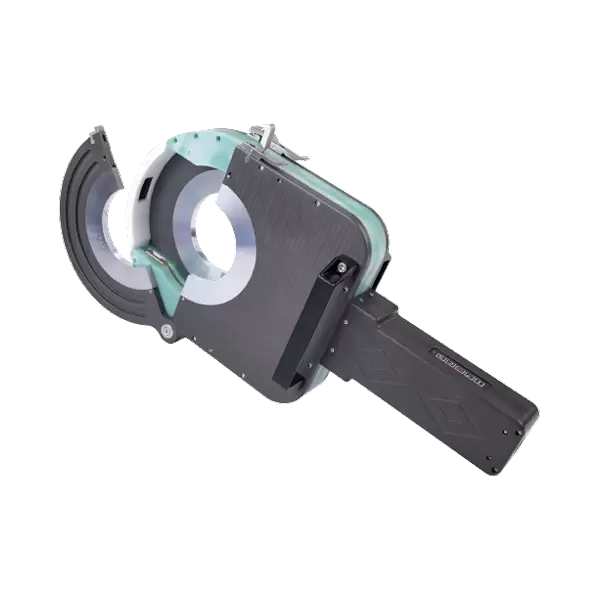
 Next
Next
 May 13,2025
 Leave a Message