


The pharmaceutical industry is one of the most demanding sectors when it comes to precision, hygiene, and process reliability. Every stage of production—from raw material handling to final packaging—must comply with strict regulatory standards such as GMP (Good Manufacturing Practice), FDA requirements, and EU pharmaceutical guidelines. In this highly controlled environment, even small inconsistencies in processing equipment can lead to contamination risks, product loss, or compliance failures.
One piece of equipment that has become increasingly important in modern pharmaceutical manufacturing is the orbital cutting machine. Known for its precision, cleanliness, and ability to deliver repeatable high-quality cuts, orbital cutting technology is now widely used in pharmaceutical production lines where accuracy and sterility are critical.
This article explores the major applications of orbital cutting machines in the pharmaceutical industry, their advantages, working principles, and why they are becoming essential in advanced drug manufacturing environments.
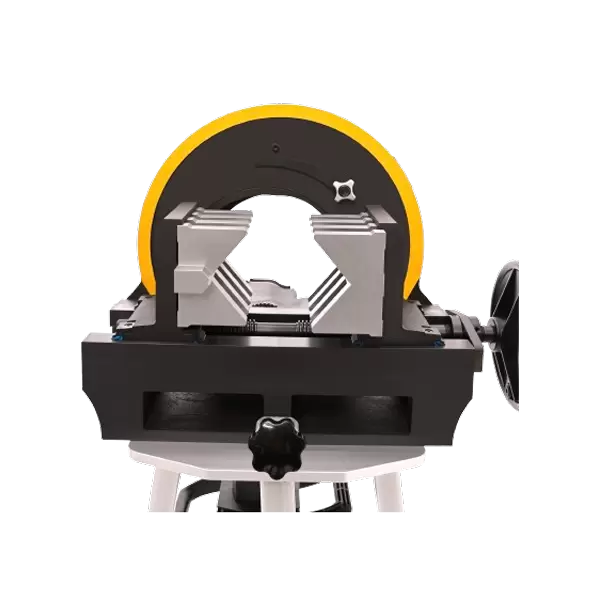
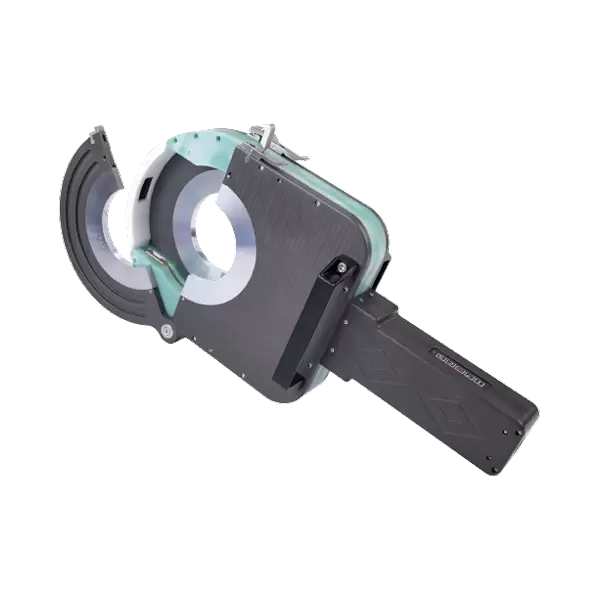
An orbital cutting machine is a specialized cutting system designed to rotate a cutting tool around a fixed workpiece, or vice versa, in a controlled orbital motion. This allows for extremely precise, clean, and consistent cuts, especially on tubes, pipes, and sensitive material structures.
In pharmaceutical manufacturing, orbital cutting machines are commonly used to process:
Stainless steel pharmaceutical tubing
Biopharmaceutical fluid transfer systems
Sterile process pipelines
Single-use system components
Cleanroom-grade fluid transport lines
Unlike conventional mechanical cutting methods, orbital cutting machines minimize deformation, burr formation, and particulate generation—making them ideal for sterile environments.
The term orbital cutting machines is often associated with high-purity applications where contamination control and precision are top priorities.
Pharmaceutical production involves transporting liquids, gases, and sometimes highly sensitive biological materials through complex piping systems. Any irregularity in tubing or pipe ends can cause:
Flow restriction
Contamination traps
Microbial growth areas
Improper sealing in sterile joints
This is why cutting precision is not just a mechanical concern—it is a critical quality factor.
Orbital cutting machines ensure that every cut is:
Perfectly square (90-degree accuracy)
Burr-free
Smooth on internal and external surfaces
Consistent across batch production
This level of accuracy directly improves downstream welding, sealing, and sterilization processes.
One of the most common applications of orbital cutting machines is the cutting of stainless steel tubing used in pharmaceutical production lines.
These tubes carry:
Active pharmaceutical ingredients (APIs)
Purified water (WFI systems)
Clean steam
Gas mixtures used in synthesis processes
Orbital cutting ensures that the tubing ends are perfectly prepared for orbital welding, which is commonly used in sterile pipeline assembly.
A poorly cut tube can compromise weld integrity, but orbital cutting machines eliminate that risk by producing uniform, high-quality edges.
In biopharmaceutical production, where living cells and biological materials are involved, contamination risks must be minimized.
Orbital cutting machines are used to prepare tubing for:
Bioreactors
Fermentation systems
Cell culture transfer lines
Filtration systems
Because these systems often operate in single-use or hybrid configurations, precision cutting is essential to ensure leak-free connections and sterile integration.
The ability of orbital cutting machines to produce clean cuts without introducing metal particles makes them especially valuable in this segment.
Cleanrooms are controlled environments where airborne particles and microbial contamination are tightly regulated. Pharmaceutical manufacturers rely on these environments for producing injectable drugs, vaccines, and sterile formulations.
Orbital cutting machines are widely used to fabricate piping systems that operate within cleanrooms.
Their benefits include:
No lubricant contamination
Minimal particle generation
Compatibility with stainless steel and high-purity alloys
Reduced post-processing cleaning requirements
By ensuring smooth pipe ends, orbital cutting machines help maintain cleanroom integrity and reduce contamination risks.
Water for Injection (WFI) systems are critical in pharmaceutical manufacturing. These systems require extremely clean and well-maintained piping infrastructure.
Orbital cutting machines are used during installation and maintenance of:
WFI distribution loops
Purified water pipelines
High-purity water storage systems
Any imperfections in these pipelines can lead to bacterial growth or endotoxin accumulation. Orbital cutting ensures that pipe joints are smooth, accurate, and easy to sterilize.
Many pharmaceutical processes rely on controlled gas environments, including nitrogen, oxygen, and carbon dioxide systems.
Orbital cutting machines are used to prepare tubing for:
Gas delivery lines
Pressure regulation systems
Reactor gas injection systems
Because gas purity is essential in drug synthesis and packaging, orbital cutting helps ensure that the pipeline infrastructure does not introduce contaminants or flow inconsistencies.
The rise of single-use systems (SUS) in biopharmaceutical manufacturing has increased demand for precision cutting tools.
Orbital cutting machines are used to process:
Disposable tubing assemblies
Pre-sterilized connectors
Modular fluid handling systems
These systems require extremely accurate cuts to ensure proper assembly and sealing. Orbital cutting machines help maintain consistency across large-scale production of disposable components.
The growing adoption of orbital cutting machines in pharmaceutical environments is driven by several key advantages.
Orbital cutting machines provide consistent cutting accuracy across thousands of operations. This is crucial in pharmaceutical production where batch consistency is mandatory.
Unlike traditional cutting methods, orbital cutting generates minimal debris and does not require excessive lubrication. This reduces contamination risks significantly.
In pharmaceutical piping systems, orbital welding is often used after cutting. Clean, square cuts produced by orbital cutting machines ensure:
Better weld penetration
Reduced weld defects
Stronger joint integrity
Because orbital cutting machines are automated and precise, they reduce the need for rework and inspection, improving overall production efficiency.
Pharmaceutical manufacturing must comply with strict regulatory frameworks. Orbital cutting machines help manufacturers meet:
GMP standards
FDA validation requirements
ISO cleanroom standards
Modern pharmaceutical facilities increasingly integrate orbital cutting machines into automated production systems.
These integrations include:
CNC-controlled cutting stations
Automated tube feeding systems
Robotic welding and cutting combinations
Digital quality monitoring systems
Such automation reduces human error and ensures consistency across production batches.
Additionally, data tracking features in advanced orbital cutting machines allow manufacturers to maintain detailed logs for regulatory audits.
While orbital cutting machines offer many benefits, pharmaceutical companies must consider several factors:
High-quality orbital cutting systems can be expensive, especially those designed for cleanroom environments.
Proper training is required to ensure optimal machine usage and maintenance.
Not all materials respond the same way to orbital cutting, so parameter adjustment is necessary for different tubing types.
Although low maintenance, periodic calibration is essential for maintaining precision.
The future of orbital cutting machines in pharmaceutical manufacturing is closely tied to automation, digitalization, and Industry 4.0 technologies.
Key trends include:
Integration with IoT-based monitoring systems
AI-driven cutting optimization
Fully automated sterile production lines
Enhanced real-time quality control systems
Greater use in personalized medicine manufacturing
As pharmaceutical production becomes more complex and customized, orbital cutting machines will play an even more important role in ensuring precision and sterility.
The pharmaceutical industry demands extreme precision, cleanliness, and reliability in every aspect of production. Orbital cutting machines have proven to be essential tools in meeting these requirements, especially in applications involving sterile tubing, biopharmaceutical systems, cleanroom environments, and high-purity fluid handling.
By delivering accurate, burr-free, and contamination-free cuts, orbital cutting machines significantly improve product quality, regulatory compliance, and operational efficiency. As pharmaceutical manufacturing continues to evolve toward higher automation and stricter quality standards, the role of orbital cutting technology will only become more critical.
In short, orbital cutting machines are not just cutting tools—they are a foundational technology supporting the future of safe and efficient pharmaceutical production.

Mr. Jeff Huang
15251441199
Miss Doria Zhu
15102105304
Miss Jina Wang
18261592800








 Language
 Back
Back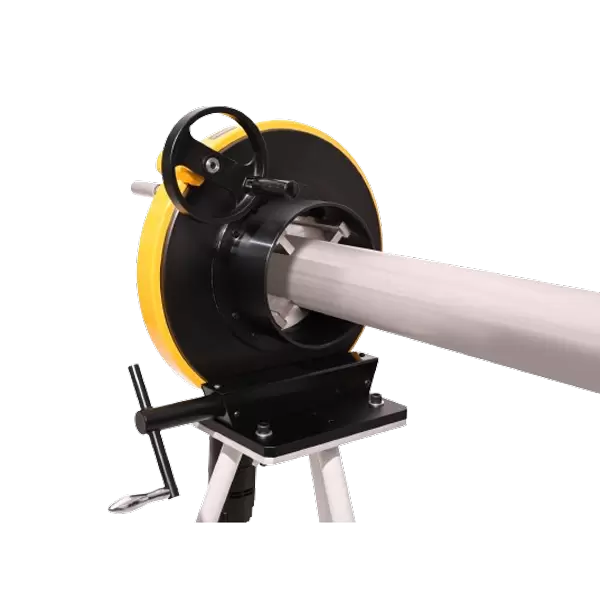
 Prev
Prev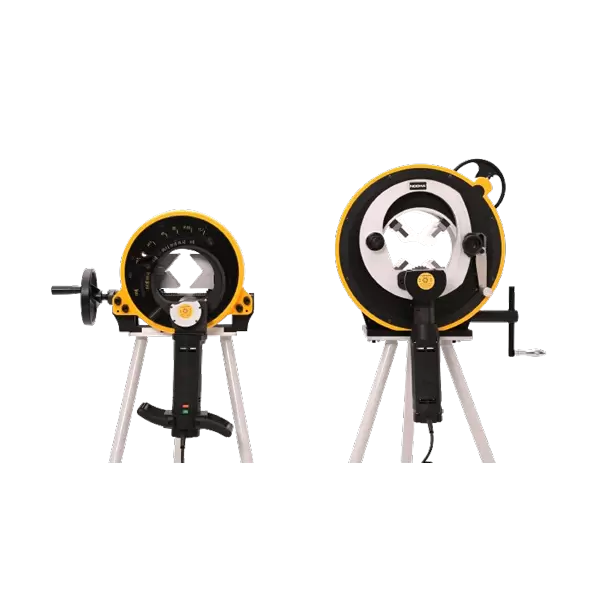
 Next
Next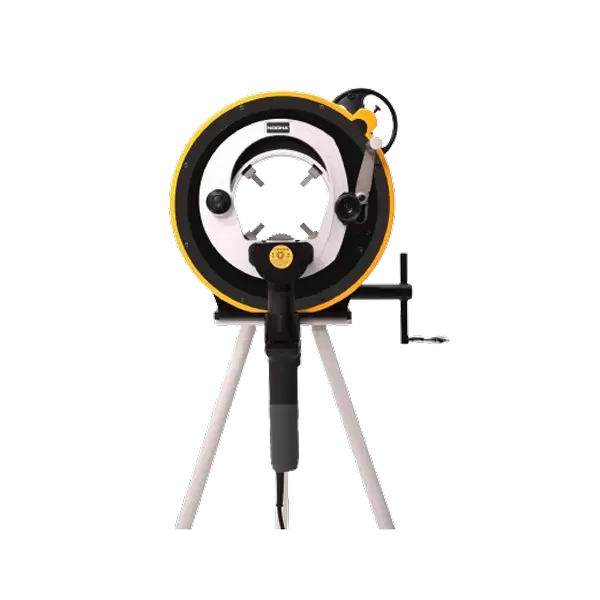
 Sep 03,2026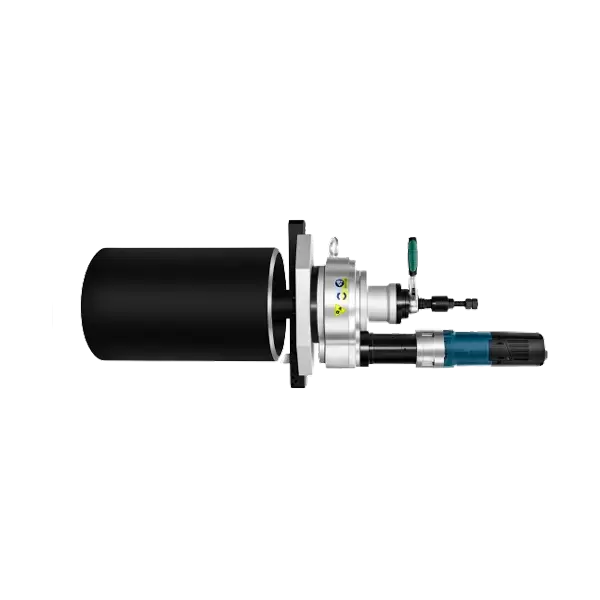
 Leave a Message