

 Language
Application
Our products are used in oil and gas, pressure vessels, shipbuilding nuclear and fossil fuels/electricity, steel structures, etc.
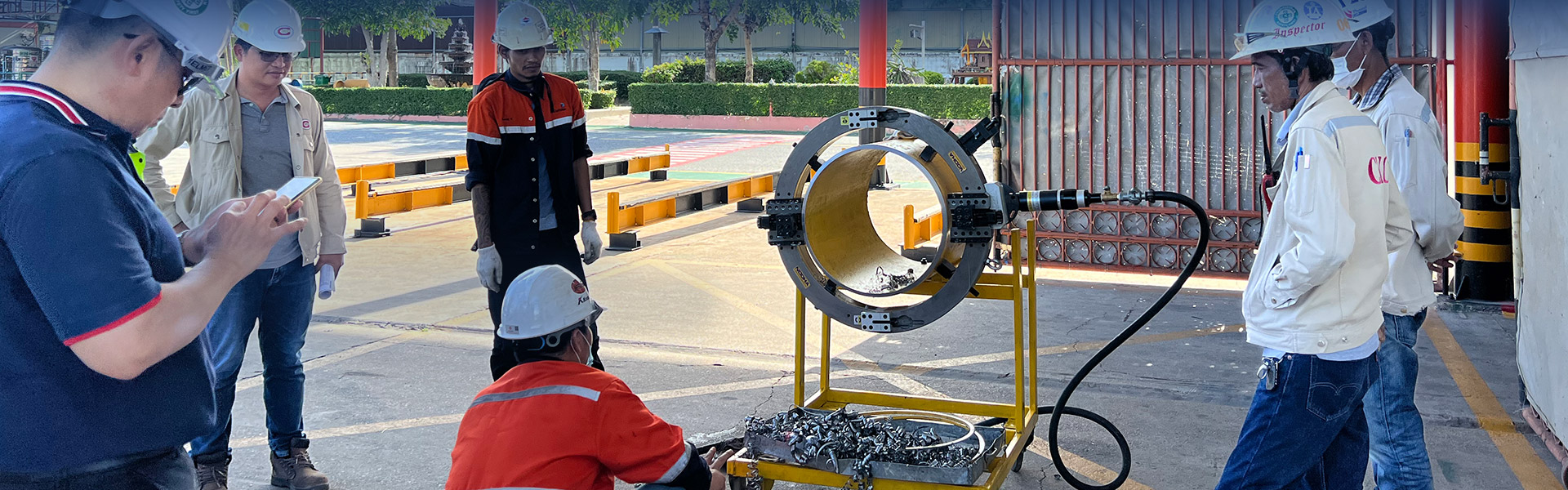
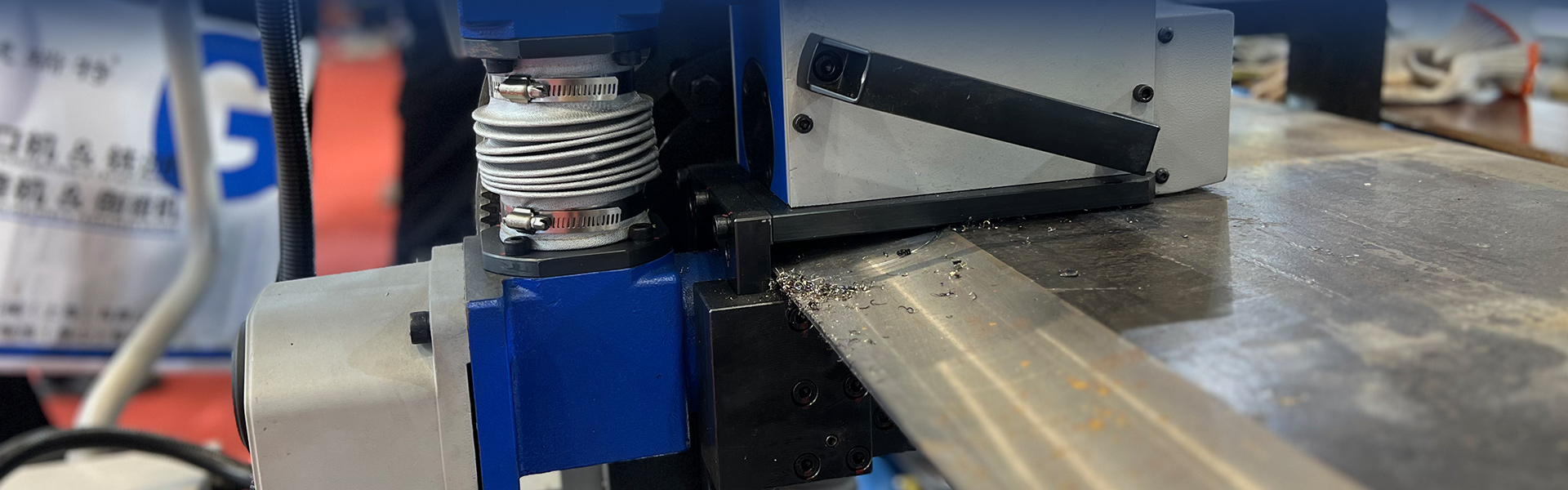
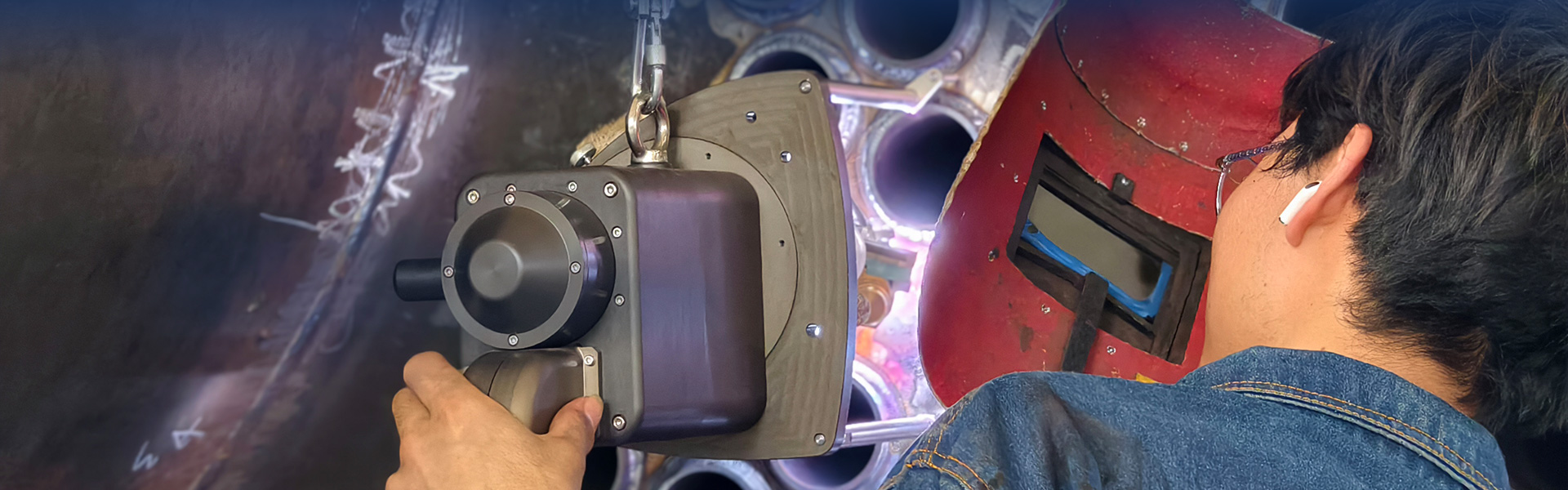
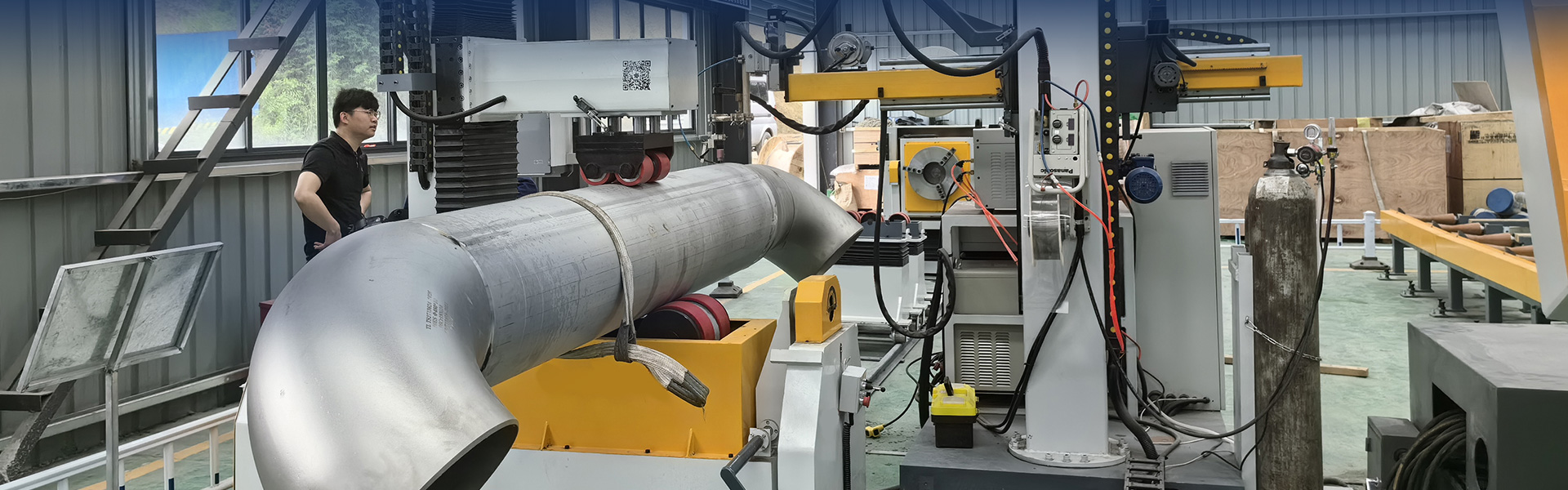
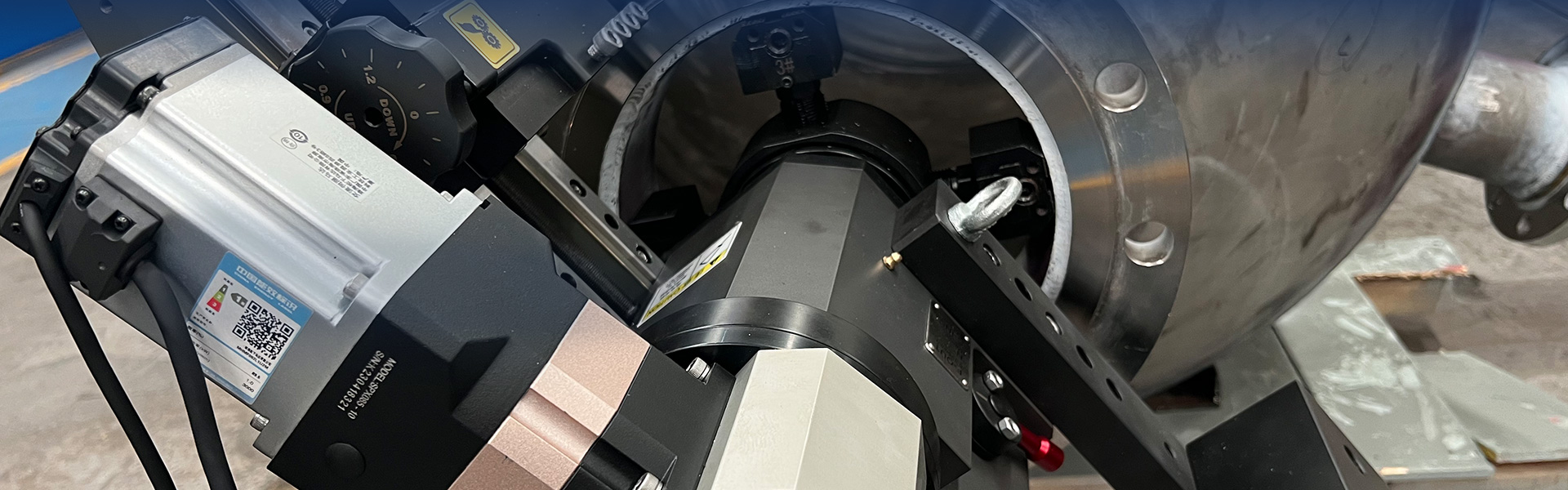


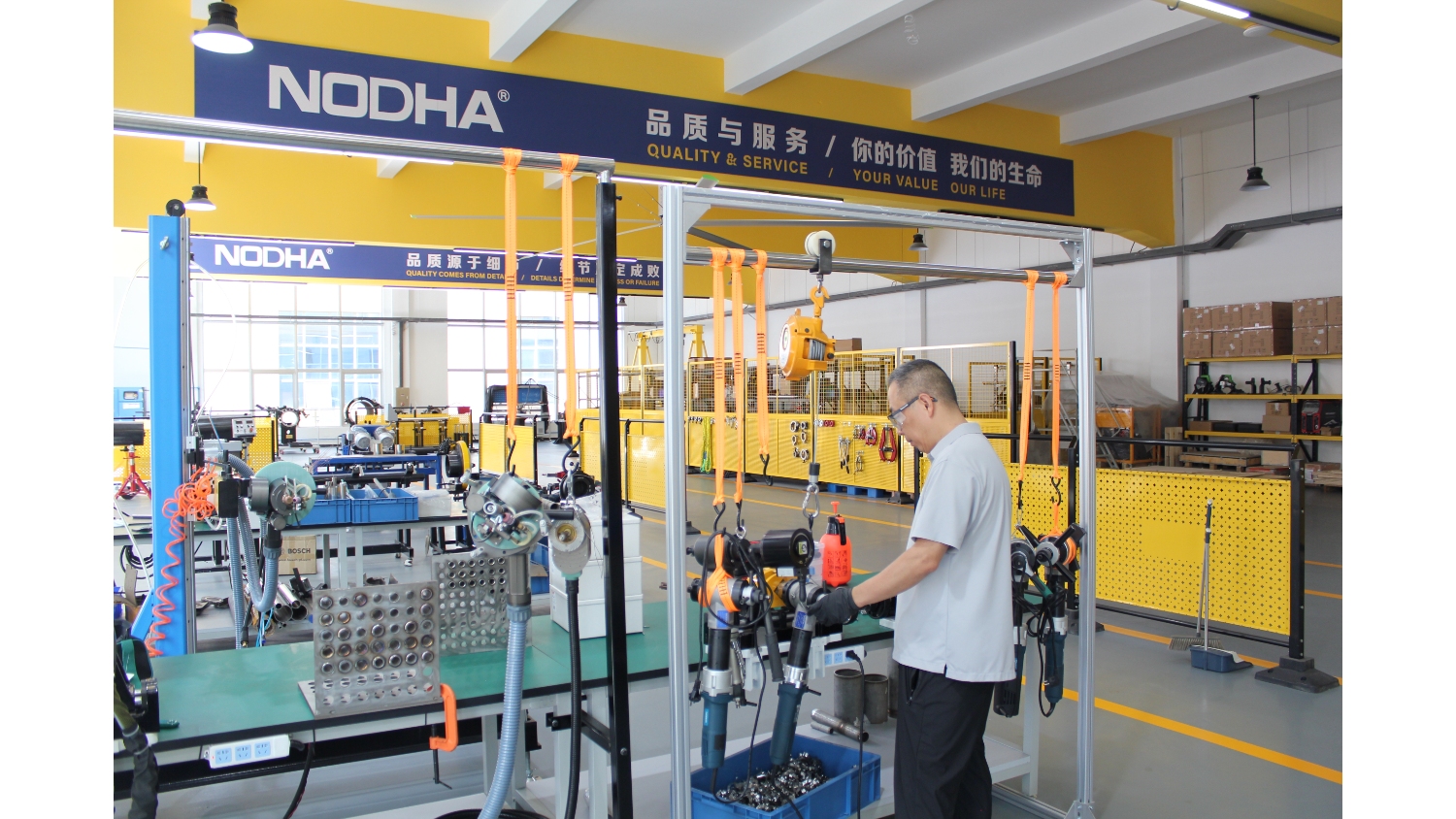
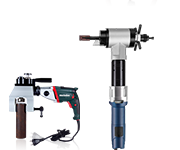
When beveling small-diameter, thin-walled pipes—whether for prefabrication, on-site installation, equipment maintenance, or special piping construction—challenges such as difficult clamping, potential damage to the pipe wall, poor precision, and the use of bulky, non-portable equipment have long persisted. Traditional external-clamping beveling tools often damage the pipe's outer surface, while manual grinding methods suffer from uneven bevels, low efficiency, and high rework rates. To address these precision machining challenges, NODHA has launched the IDB-80 portable beveling machine. Featuring an electric drive and an internal-clamping mechanism, it is purpose-built for small-to-medium diameter, thin-walled pipes. NODHA’s technical experts conducted on-site demonstrations to comprehensively verify the machine's machining precision, stability, and adaptability to field conditions.
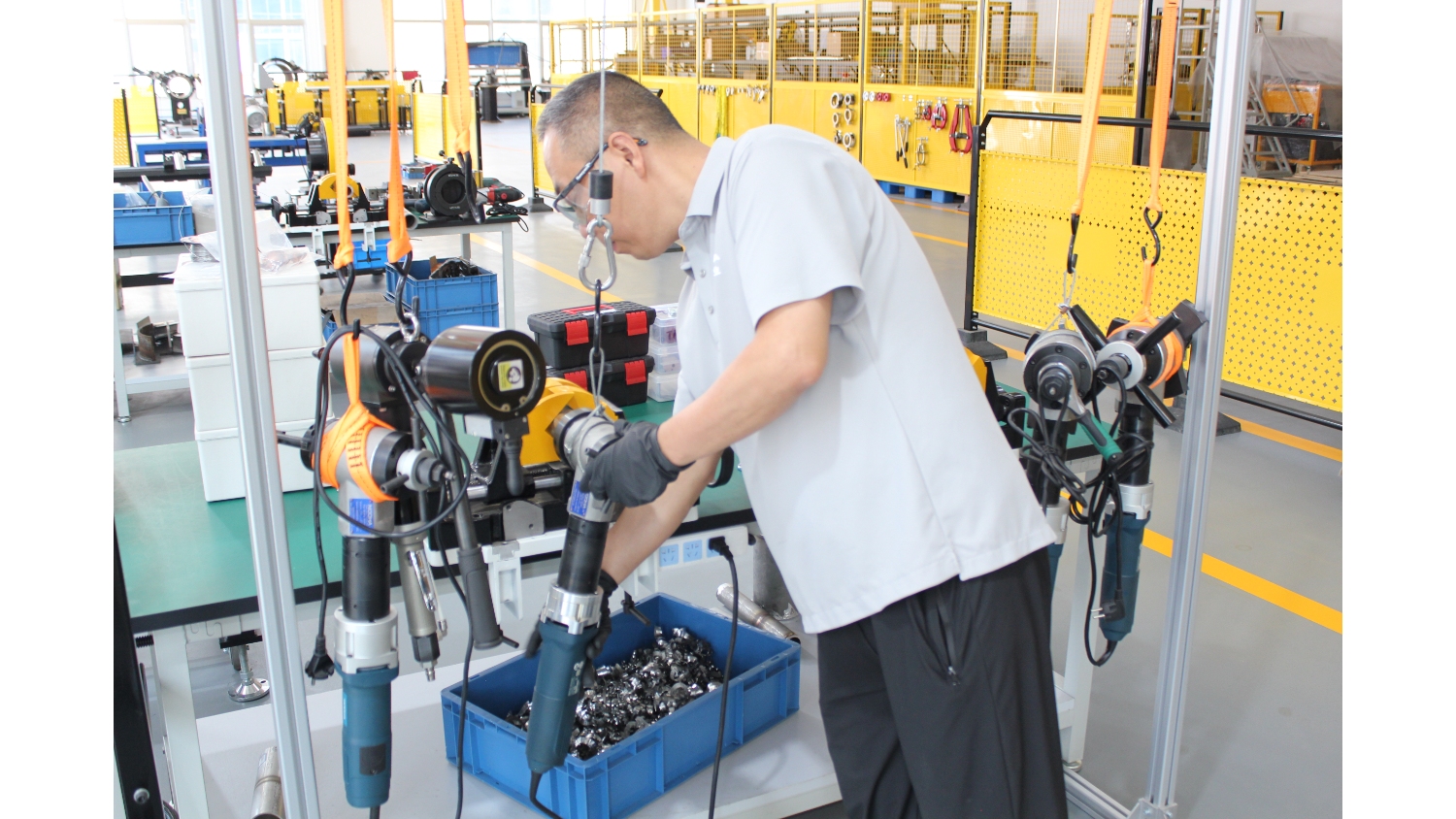
The NODHA IDB-80 offers precise positioning and strong parameter adaptability, making it a specialized tool for beveling small-diameter pipes. Utilizing a classic internal-clamping principle, it centers and clamps the pipe from the inside, eliminating the need for external fixtures. This completely prevents abrasion, clamping damage, or deformation of the outer pipe wall, thereby maximizing the integrity of the piping material. The machine is designed for a specific machining range: an internal clamping diameter of 28mm–76mm and a maximum compatible outer diameter of 3 inches (88.9mm). It is suitable for the vast majority of small industrial pipes, instrumentation piping, and auxiliary piping for thermal, oil, and gas systems found on the market. Additionally, it handles thin-walled pipes made of carbon steel, stainless steel, and alloy steel with wall thicknesses up to 15mm, fully meeting the requirements for various lightweight piping prefabrication and construction projects.
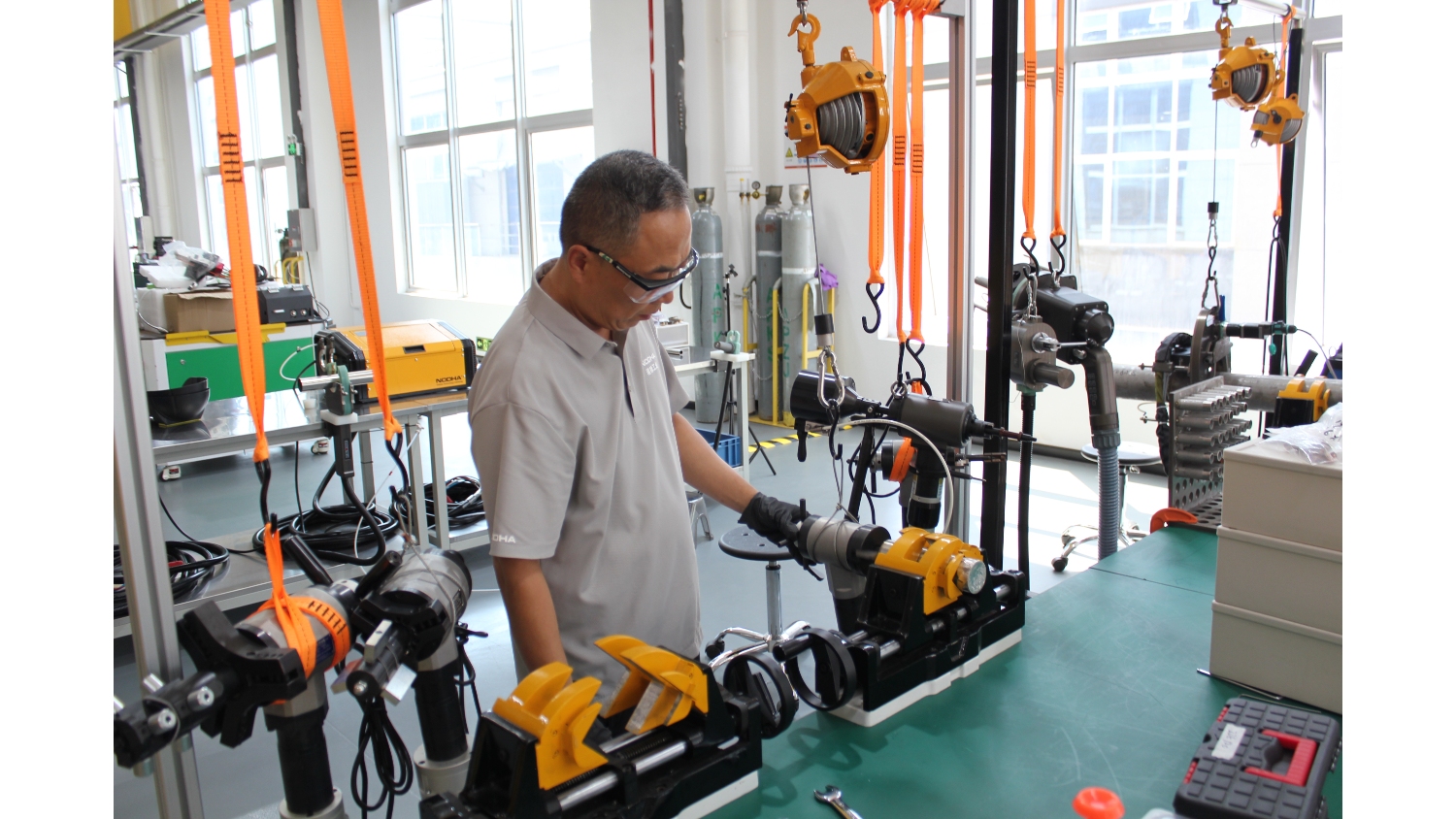
Powered by a purely electric drive system, the machine delivers stable, consistent power output with smooth start/stop functions and steady cutting performance. Unlike pneumatic equipment, it requires no external air supply, allowing for flexible use in diverse environments—from indoor prefabrication workshops to outdoor construction sites. Its lightweight, portable design features a compact structure that is easy to assemble and disassemble; a single operator can handle transport, clamping, and operation without auxiliary tooling. This significantly lowers the barrier for on-site construction, making it perfectly suited for mobile, decentralized, and multi-location beveling operations. During the live demonstration, technicians strictly adhered to standardized operating procedures to showcase the entire workflow: equipment setup, pipe alignment, internal expansion and centering, automatic cutting, and unloading. Test cuts were performed on pipes with various internal diameters—including 28mm, 42mm, 60mm, and 76mm. The equipment’s internal expansion clamp automatically centered and positioned the pipe, ensuring high coaxial accuracy and a secure, vibration-free grip; this effectively resolved common industry challenges such as vibration and end-face deformation during the processing of thin-walled pipes. Switching between specifications was convenient and required no complex accessory modifications, resulting in minimal setup time and highly continuous processing.
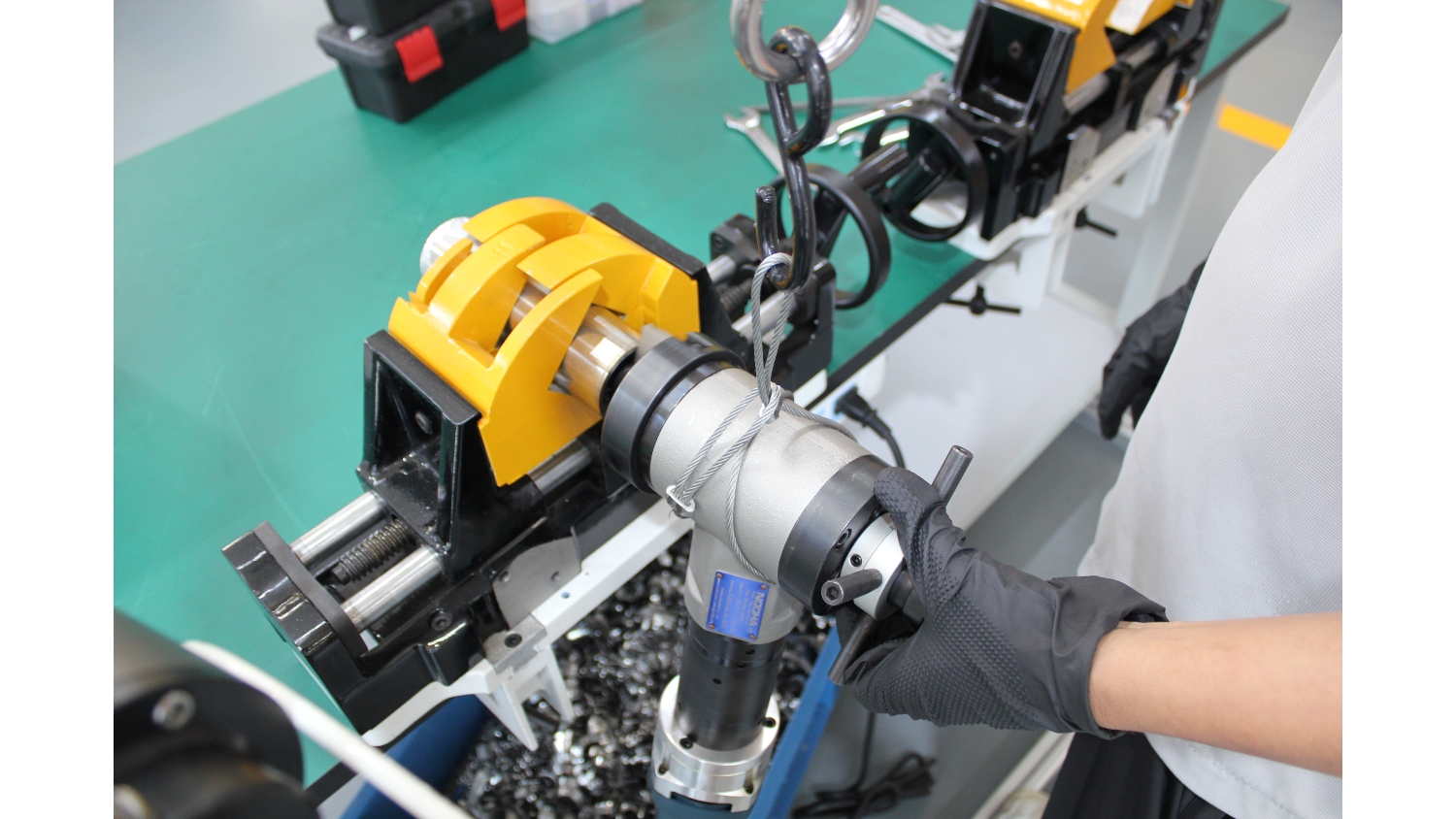
Inspection of the finished workpieces revealed standardized bevel angles and smooth, flat end faces—free from burrs, edge chipping, or deformation. The bevel consistency was exceptional, eliminating the need for secondary grinding and allowing for immediate progression to welding, thereby significantly boosting construction efficiency and weld quality. The machine demonstrated particular advantages in processing thin-walled pipes with diameters under 15mm, successfully avoiding common issues associated with traditional equipment, such as uneven cutting forces, wall collapse, and significant bevel deviations.
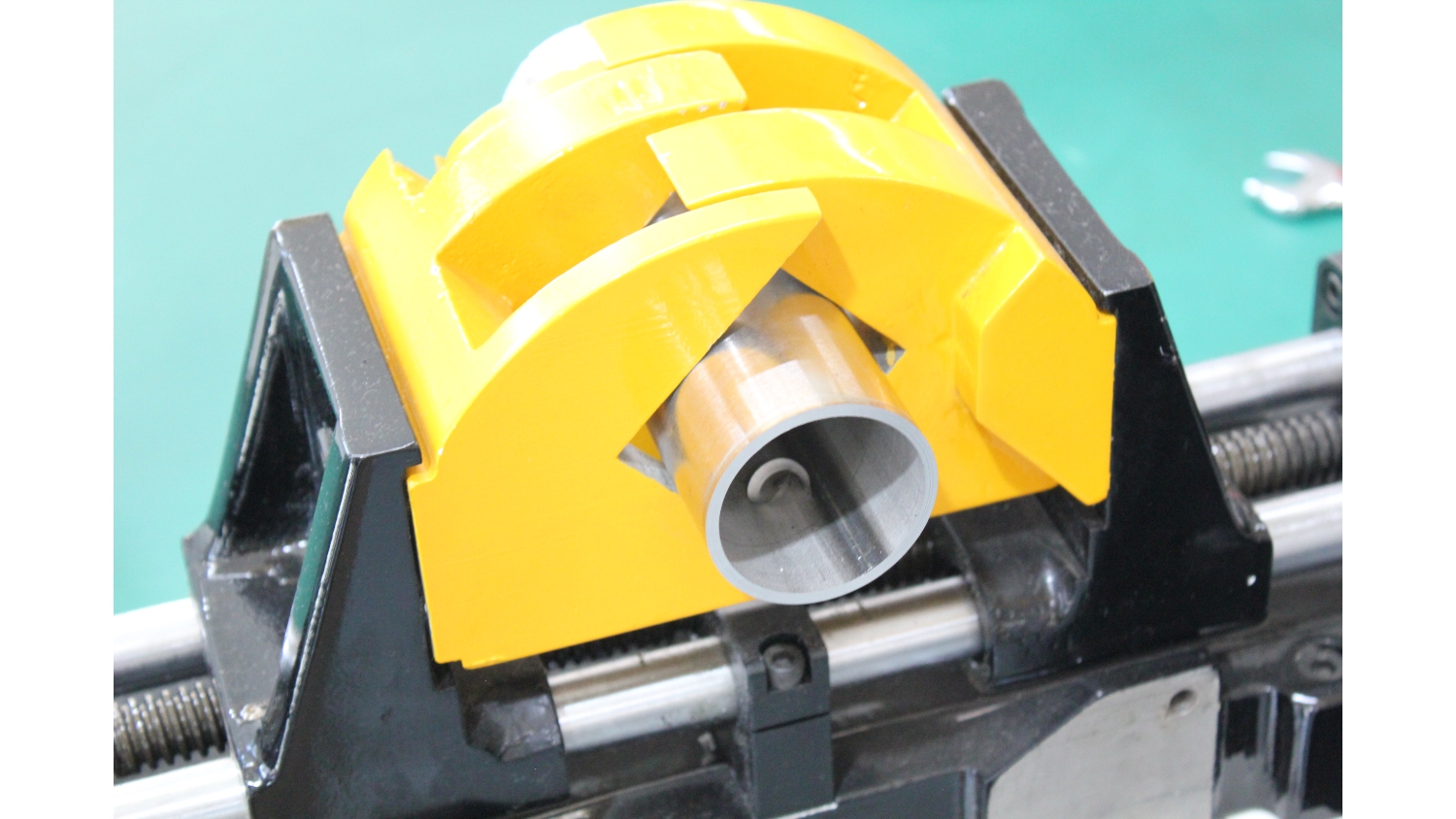
The live demonstration confirmed that the IDB-80 portable internal-expansion beveling machine offers stable performance, ease of operation, and broad compatibility, making it an ideal choice for the batch processing of small-diameter, thin-walled pipes and for on-site emergency repairs.

Mr. Jeff Huang
15251441199
Miss Doria Zhu
15102105304
Miss Jina Wang
18261592800






 Back
Back Prev
Prev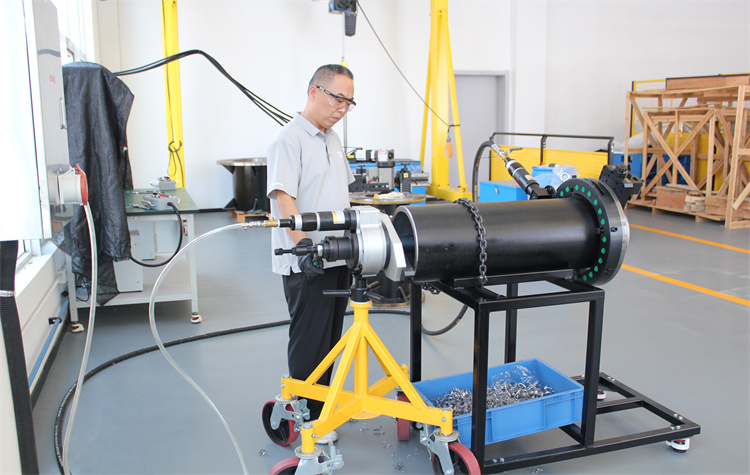
 Next
Next

 Jan 09,2025


 Leave a Message