


The semiconductor industry stands at the core of modern technology, powering everything from smartphones and data centers to electric vehicles and advanced medical devices. As chip architectures become smaller and manufacturing processes more complex, the demand for ultra-clean, highly controlled production environments continues to intensify. In this context, even seemingly minor processes—such as pipe cutting—can have a significant impact on overall production quality.
One of the most critical yet often overlooked tools in semiconductor fabrication facilities is the orbital cutting machine. Designed for precision pipe cutting with minimal contamination risk, orbital cutting technology plays a vital role in ensuring the integrity of ultra-high purity (UHP) systems used throughout semiconductor production.
This article explores how orbital cutting machines contribute to semiconductor manufacturing, their applications, benefits, and why they are indispensable in maintaining cleanroom standards and process reliability.
Semiconductor fabrication is conducted in highly controlled cleanroom environments where even microscopic contaminants can compromise product quality. In advanced nodes, particles as small as a few nanometers can lead to defects in integrated circuits.
To prevent contamination, semiconductor facilities rely on:
Ultra-high purity (UHP) gas systems
Chemical delivery pipelines
Deionized water (DI water) systems
Vacuum and exhaust piping
All these systems require extremely clean, smooth, and precisely aligned piping. Any imperfection—such as burrs, particles, or rough edges—can introduce contamination or disrupt fluid flow.
This is why precision pipe cutting, especially using an orbital cutting machine, is essential.
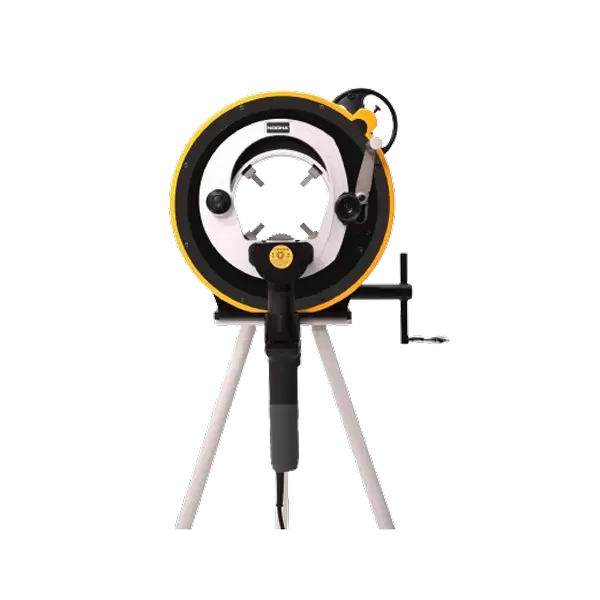
An orbital cutting machine is a specialized tool used to cut pipes and tubes by rotating a cutting head around the material’s circumference.
Unlike conventional cutting tools, an orbital pipe cutting machine:
Clamps securely onto the pipe
Performs a 360-degree controlled cutting motion
Produces burr-free, square cuts
Minimizes particle generation
Because of these features, orbital cutting machines are widely used in industries that require ultra-clean and high-precision piping systems—particularly semiconductor manufacturing.
UHP gas systems are essential in semiconductor fabrication, delivering gases such as:
Nitrogen (N₂)
Argon (Ar)
Hydrogen (H₂)
Specialty process gases
These gases must remain free from contamination at all times.
An orbital cutting machine for UHP piping ensures:
Clean pipe ends with no particle generation
Perfect alignment for welding
Leak-free connections
This is critical for maintaining gas purity and ensuring process consistency.
Semiconductor production involves a wide range of chemicals used in etching, cleaning, and deposition processes.
These chemicals are transported through specialized piping systems that require:
Corrosion-resistant materials
Smooth internal surfaces
High-precision joints
Using a precision orbital cutting machine ensures that pipes used in chemical delivery systems meet these stringent requirements.
DI water is used extensively in semiconductor fabrication for cleaning wafers and equipment.
The piping systems that carry DI water must be:
Free from contaminants
Smooth and non-reactive
Precisely constructed
An orbital pipe cutting machine helps ensure that all pipe ends are clean and suitable for high-quality welding, reducing the risk of contamination.
Semiconductor fabs frequently undergo upgrades and expansions. During these processes, maintaining cleanroom integrity is critical.
A portable orbital cutting machine is often used for on-site pipe cutting because it:
Minimizes debris generation
Reduces contamination risks
Allows precise cutting in confined spaces
This makes it ideal for cleanroom environments.
Vacuum systems are used to remove gases and maintain controlled pressure conditions in semiconductor processes.
These systems require:
Leak-tight piping
Smooth internal surfaces
Accurate alignment
Orbital cutting machines ensure that pipes meet these requirements, supporting reliable vacuum performance.
One of the biggest advantages of an orbital cutting machine is its ability to minimize particle generation during cutting.
This is crucial in semiconductor environments where even microscopic particles can cause defects.
A precision pipe cutting machine ensures:
Perfectly square cuts
Consistent results across multiple operations
Reduced human error
This level of precision is essential for maintaining system integrity.
Orbital cutting directly impacts welding performance.
By using an orbital cutting machine for stainless steel tubing, manufacturers can achieve:
Better weld alignment
Stronger joints
Reduced risk of leaks
This is especially important in UHP systems.
Orbital cutting machines are designed to operate in cleanroom environments, offering:
Low contamination output
Controlled cutting processes
Compatibility with cleanroom protocols
High-quality cuts reduce the need for rework, leading to:
Faster installation
Lower labor costs
Increased production uptime
Orbital cutting machines must handle a variety of specialized materials, including:
Stainless Steel 316L (electropolished)
High-purity polymers (e.g., PFA, PVDF)
Specialty alloys
A high-performance orbital pipe cutting machine ensures consistent results across these materials without introducing contamination.
In semiconductor manufacturing, cutting and welding processes are closely linked.
Typical workflow:
Pipe preparation
Cutting using an orbital cutting machine
Cleaning and inspection
Orbital welding
Quality validation
This integration ensures that piping systems meet strict UHP standards.
To maintain performance in semiconductor environments:
Regularly clean cutting components
Inspect and replace blades
Calibrate cutting alignment
Follow strict cleanroom maintenance protocols
Proper maintenance ensures consistent performance and compliance.
While orbital cutting machines offer many benefits, there are some considerations:
Higher initial investment
Operator training requirements
Limited accessibility in extremely tight spaces
However, these challenges are outweighed by the long-term benefits in precision and cleanliness.
As semiconductor manufacturing evolves, orbital cutting machines are also advancing.
Key trends include:
Automation and robotics integration
AI-driven cutting optimization
Real-time quality monitoring
Enhanced cleanroom-compatible designs
Smart manufacturing integration (Industry 4.0)
These innovations will further improve efficiency and reliability.
The orbital cutting machine plays a critical role in semiconductor production by ensuring the precision, cleanliness, and reliability of piping systems. From UHP gas delivery to DI water systems and cleanroom construction, orbital cutting technology supports every stage of semiconductor manufacturing.
By minimizing contamination risks, improving welding quality, and enhancing operational efficiency, orbital cutting machines have become indispensable tools in modern semiconductor fabs.
As the semiconductor industry continues to push the boundaries of precision and miniaturization, the importance of advanced cutting technologies like the orbital pipe cutting machine will only continue to grow.

Mr. Jeff Huang
15251441199
Miss Doria Zhu
15102105304
Miss Jina Wang
18261592800








 Language
 Back
Back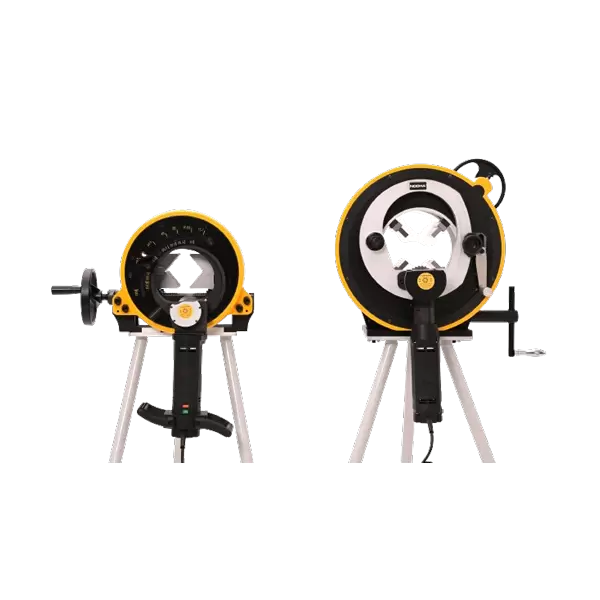
 Prev
Prev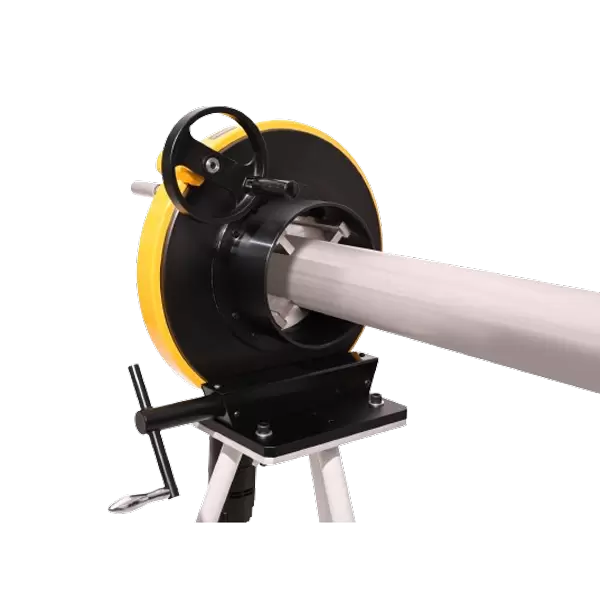
 Next
Next
 Sep 11,2025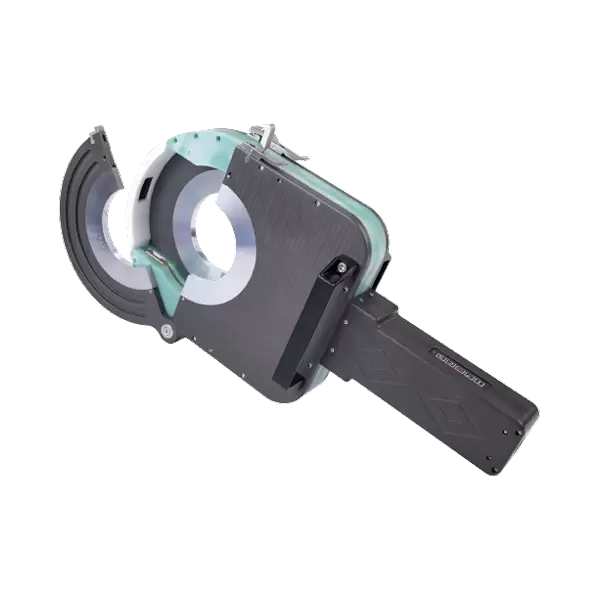
 Leave a Message