


Orbital welding machines have become indispensable in industries that require high-precision, repeatable, and contamination-free welds, such as pharmaceuticals, semiconductors, chemical processing, food and beverage, and heat exchanger manufacturing. With the increasing demand for customized welding solutions, selecting the right custom orbital welding machine manufacturer is critical to ensure quality, reliability, and long-term support.
Choosing the wrong manufacturer can lead to equipment that fails to meet production needs, poor weld quality, high maintenance costs, and operational downtime. This guide explores the key factors to consider when selecting a manufacturer for your custom orbital welding machines.
The first step is to clearly define your industry-specific needs:
Pharmaceutical and Semiconductor Industries: Require sterile, contamination-free welds. Machines should support thin-walled pipes, closed chamber welding heads, and high-purity shielding gases.
Chemical Processing: Emphasizes corrosion-resistant materials and high-pressure piping systems.
Food and Beverage: Welds must be smooth, crevice-free, and compliant with hygiene standards.
Heat Exchangers and HVAC: Large-scale production requires high-speed, repeatable welding with minimal downtime.
A reliable manufacturer should demonstrate experience in your industry and understand the technical and regulatory requirements associated with it.
Not all orbital welding machine manufacturers offer the same level of technical capability. Consider these aspects:
Can the manufacturer design machines tailored to your specific pipe diameters, wall thicknesses, and material types?
Do they provide programmed welding profiles for multiple materials and diameters?
Are welding heads compatible with your existing production lines?
Advanced digital power sources with inverter technology ensure precise current control.
Closed chamber BH series welding heads are essential for thin-walled, high-purity welding.
Machines with real-time parameter adjustment, remote programming, and software upgrades improve flexibility and reduce operator error.
Can the manufacturer meet your volume requirements without compromising quality?
Do they have quality control measures in place during production to maintain consistency?
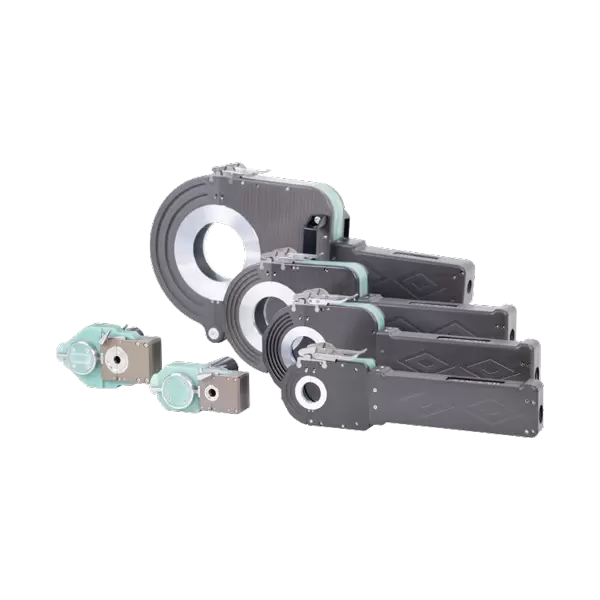
Quality control is vital in ensuring that your welding machines consistently produce high-quality welds:
ISO, ASME, AWS, CE Certifications: These indicate adherence to international manufacturing and safety standards.
Weld Testing and Validation: The manufacturer should provide testing records, including X-ray, ultrasonic, or dye penetrant inspections, to validate machine performance.
Material Traceability: Ability to track materials and components used in machine manufacturing ensures reliability.
A manufacturer with robust quality control demonstrates professionalism and reliability.
Even the best machine can underperform without proper support:
Installation Assistance: Does the manufacturer provide on-site setup or remote guidance?
Training Programs: Are operators trained to use the machine safely and efficiently?
Maintenance and Spare Parts: Are spare parts readily available? Is maintenance straightforward?
Remote Diagnostics: Advanced manufacturers offer software-based monitoring and troubleshooting.
Choosing a manufacturer with strong after-sales support reduces downtime and ensures long-term machine performance.
The experience of a manufacturer is a key indicator of reliability:
Industry Track Record: Have they supplied machines to clients in your sector?
Case Studies and References: Can they provide examples of successful installations and satisfied customers?
Innovation and R&D: Manufacturers that invest in research and development often deliver more efficient, automated, and durable welding solutions.
Reputation and proven experience help mitigate risks associated with new equipment purchases.
A major reason for choosing a custom manufacturer is tailored solutions:
Adjustable Welding Programs: Support for different pipe diameters, wall thicknesses, and materials.
Modular Welding Heads: Allow quick adaptation to different production setups.
Automation Level: Can the machine be semi-automatic or fully automated depending on production requirements?
Integration: Ability to integrate with existing production lines or Industry 4.0 systems.
The right manufacturer should offer scalable and adaptable solutions that grow with your business.
While initial price is important, total value includes:
Initial Purchase Cost: Budget for the machine itself.
Operational Costs: Energy consumption, gas usage, and consumables.
Maintenance and Support: Ease and cost of repairs or part replacements.
Productivity Gains: Fully automated machines reduce labor costs and improve efficiency.
A manufacturer that offers competitive pricing, coupled with reliable machines and strong support, provides the best long-term value.
Orbital welding technology evolves rapidly:
Software Upgradeability: Allows for future enhancements without replacing the entire machine.
Modular Design: Supports additional welding heads or automation modules.
Data Logging and Analytics: Advanced machines provide real-time monitoring, reporting, and parameter adjustments to improve weld quality.
Choosing a manufacturer that prioritizes innovation ensures your investment remains relevant and efficient.
Good communication reflects the manufacturer’s commitment to customer satisfaction:
Consultative Approach: Do they understand your production challenges and offer solutions?
Timely Responses: Fast replies to inquiries, proposals, and technical questions.
Transparency: Clear information about machine capabilities, lead times, and warranties.
Manufacturers who communicate effectively help streamline project planning and reduce potential misunderstandings.
Selecting the right custom orbital welding machine manufacturer is more than a purchase decision; it is a strategic investment in the efficiency, quality, and reliability of your welding operations. Key considerations include:
Industry-specific expertise and understanding of regulatory requirements.
Manufacturing capabilities, technology, and customization options.
Rigorous quality control and international certifications.
Strong technical support, training, and after-sales service.
Proven experience, reputation, and innovation focus.
Flexibility to adapt to changing production needs.
Cost-effectiveness and total value.
Future-proof technology for long-term growth.
Clear communication and customer-oriented service.
By carefully evaluating these factors, businesses can ensure their orbital welding machines meet precise, reliable, and repeatable weld requirements, ultimately improving production efficiency, reducing errors, and supporting long-term operational success.
Investing in a reputable, experienced, and innovative custom orbital welding machine manufacturer ensures that your company remains competitive, compliant, and ready for the challenges of modern industrial welding.
NODHA, as a professional orbital welding machine manufacturer, specializes in providing high-precision, fully automated welding solutions. Their machines feature advanced digital power sources, BH series welding heads, and intelligent all-position welding capabilities, ensuring consistent, high-quality welds for thin-walled tubes and pipes. Serving industries such as pharmaceuticals, semiconductors, food processing, chemical engineering, and heat exchangers, NODHA combines cutting-edge technology with user-friendly interfaces, real-time parameter control, and robust fault detection, helping businesses improve productivity while maintaining strict quality standards and compliance.

Mr. Jeff Huang
15251441199
Miss Doria Zhu
15102105304
Miss Jina Wang
18261592800








 Language
 Back
Back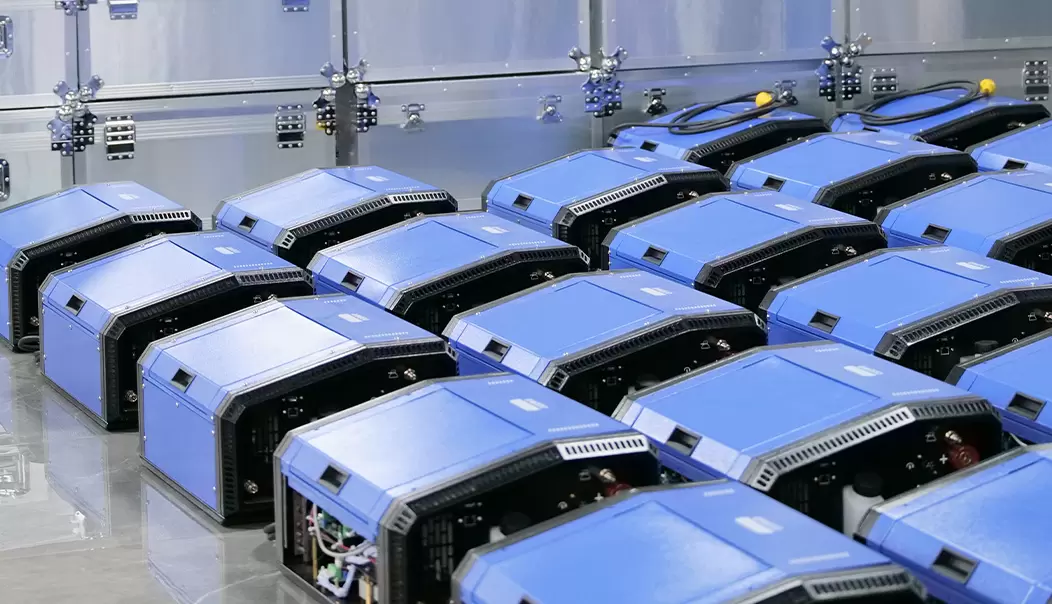
 Prev
Prev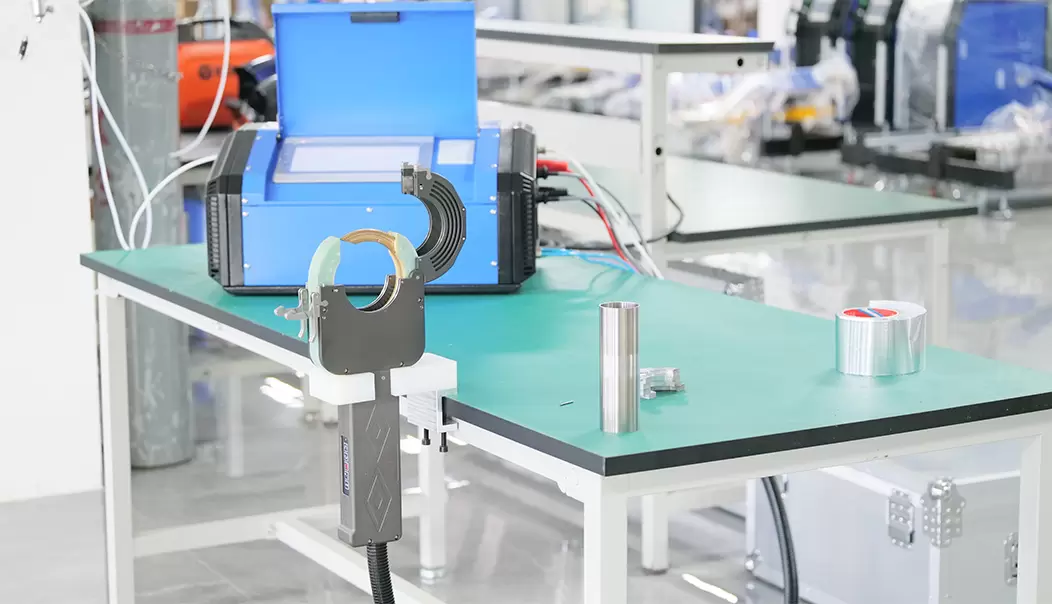
 Next
Next
 Sep 14,2024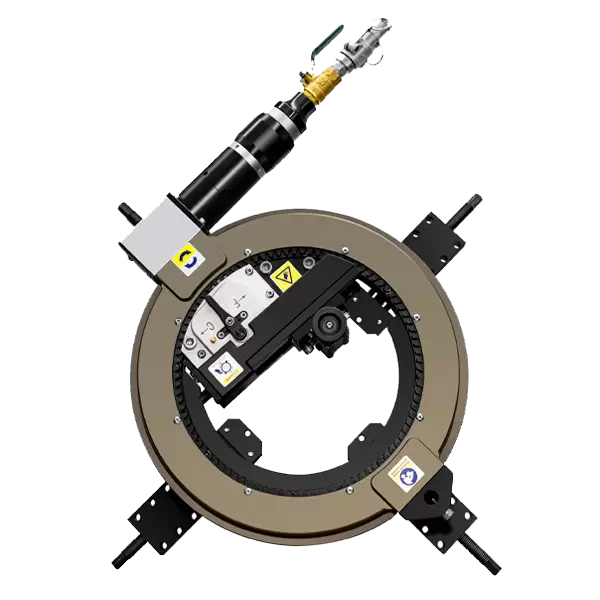
 Leave a Message