

 Language
Application
Our products are used in oil and gas, pressure vessels, shipbuilding nuclear and fossil fuels/electricity, steel structures, etc.
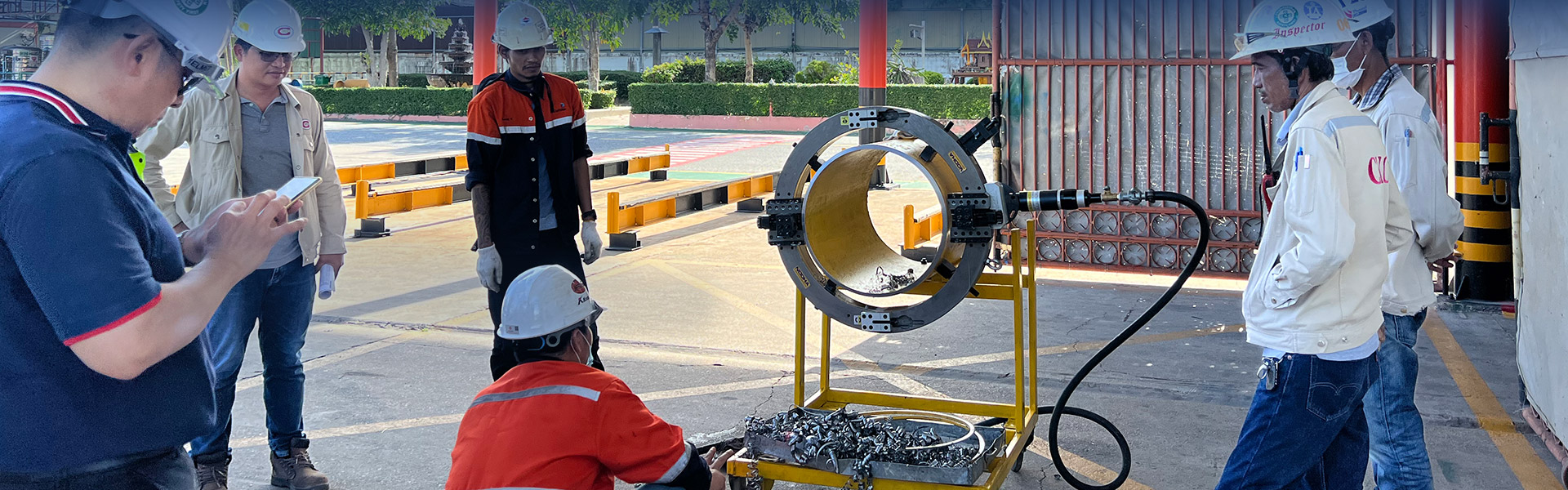
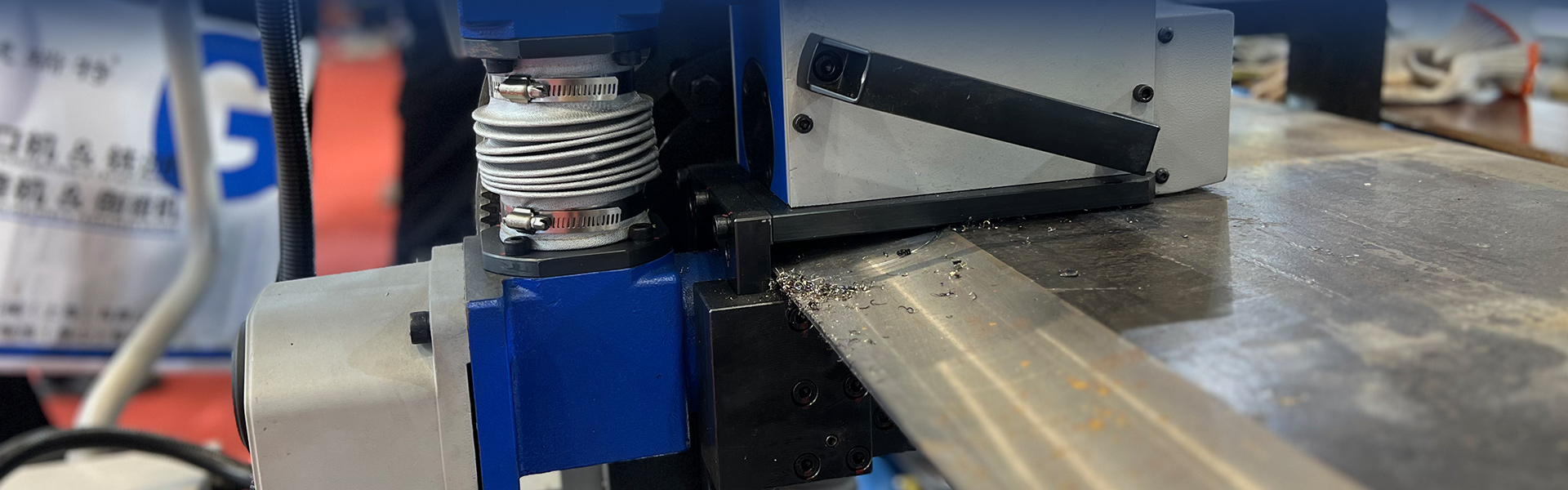
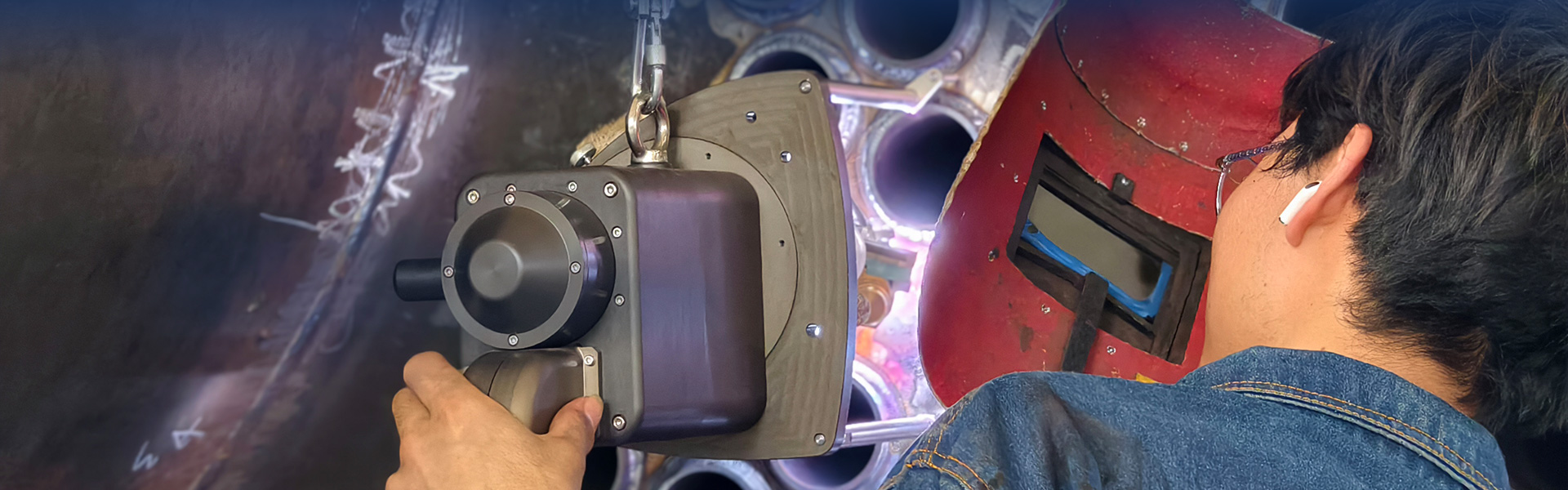
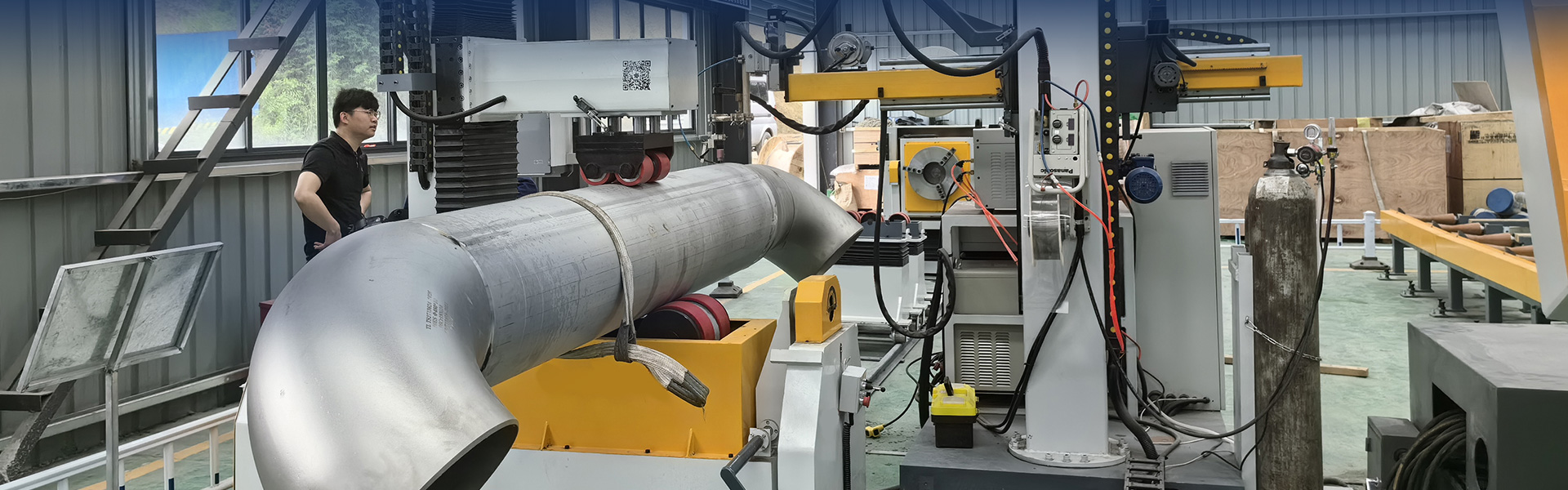
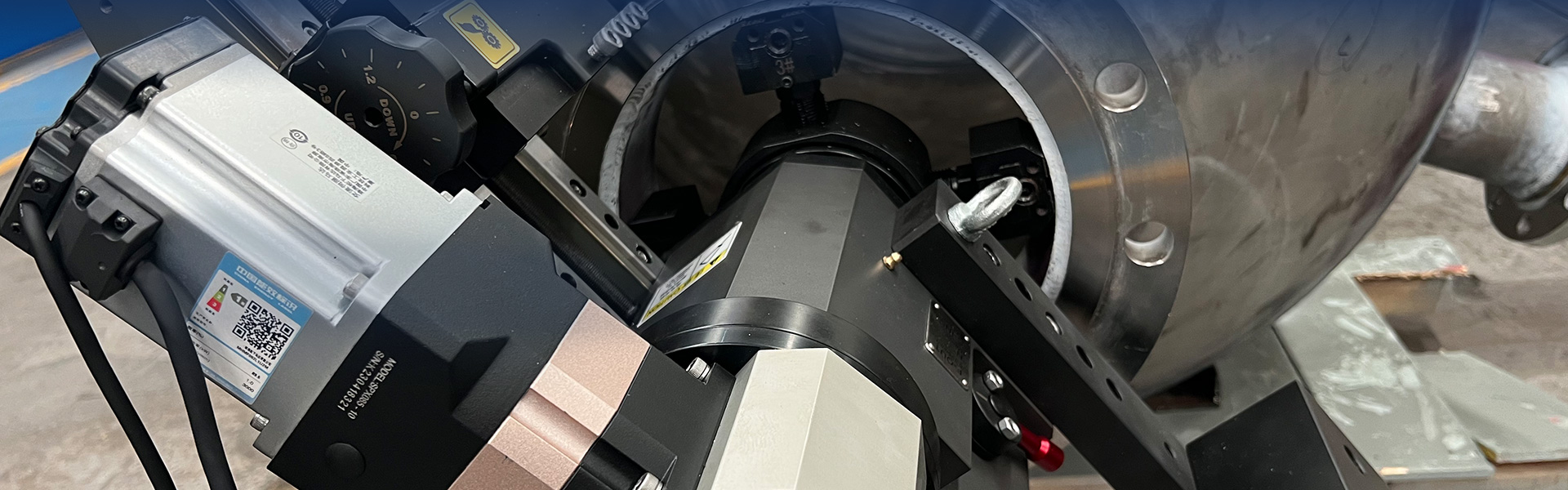


In sectors such as steel structure fabrication, construction machinery, pressure vessel manufacturing, and heavy equipment production, plate beveling is a critical pre-welding process. The precision of the bevel profile and the quality of the surface finish directly determine the mechanical properties of the welded joints and the overall safety and reliability of the finished product. Traditional beveling methods often rely heavily on skilled technicians and face challenges such as high programming barriers, significant thermal deformation during processing, and limited capability for handling complex contours. Compounded by industry-wide shortages of skilled operators and rising labor costs, many manufacturing enterprises struggle with low efficiency, high scrap rates, and difficulties in implementing standardized production processes.
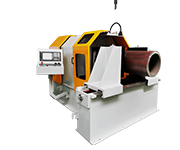
The GIRET GNC-131MC-2513 Intelligent Edge Milling Machine integrates 3D vision inspection, servo motion control, and cold-cutting technology. Combining automation, high precision, and ease of operation, it effectively addresses key challenges in the plate beveling industry, making it the preferred choice for the intelligent processing of medium-to-thick carbon steel plates.
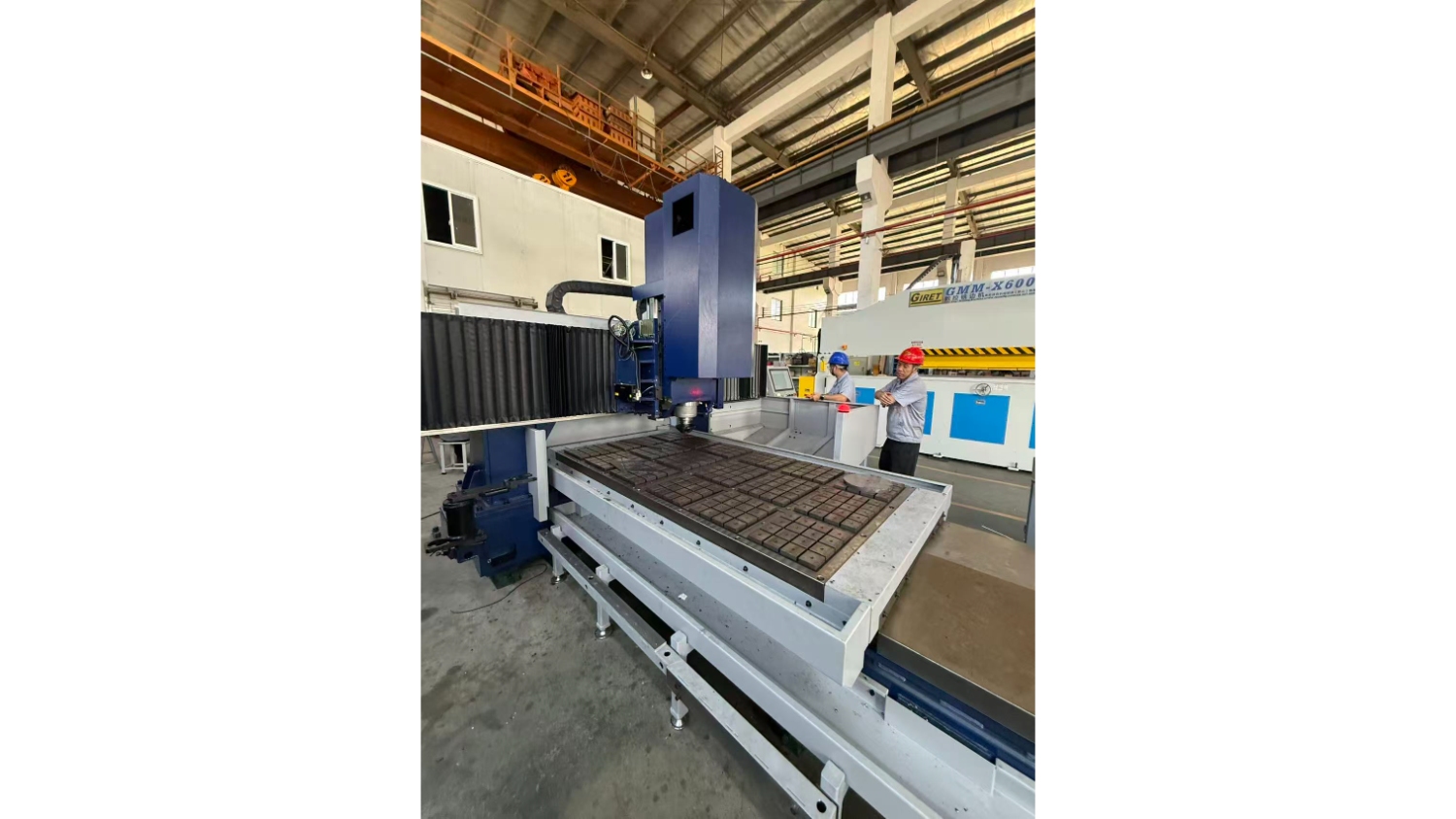
I. Modular Hardware Architecture
The GNC-131MC-2513 Intelligent Edge Milling Machine features a modular integrated design, comprising five main units: the machine bed, control system, electrical system, chip removal system, and safety protection system.
The high-strength, age-treated machine bed provides rigid support, suppressing vibration during high-speed cutting and minimizing deformation over long-term use, thereby ensuring stable positioning references for all motion axes. The industrial-grade control system acts as the machine's "brain," coordinating with the 3D vision module to perform workpiece recognition and path planning. The electrical system includes voltage fluctuation protection, making it suitable for complex factory power grid environments. An independent chip removal system promptly clears metal chips, preventing them from scratching the workpiece surface or interfering with tool operation.
A comprehensive safety protection system integrates mechanical limiters, electrical interlocks, and anomaly alarms, providing multi-layered protection for personnel, tools, and workpieces to ensure continuous, safe production on the shop floor. All motion axes are driven by servo motors, ensuring rapid transmission response, high positioning repeatability, and smooth overall operation. The processing speed is infinitely adjustable between 0 and 2000 mm/min; cutting feed rates can be flexibly matched to factors such as plate thickness, bevel depth, and tool condition, balancing processing efficiency with forming quality.
Additionally, an automatic lubrication system for key components delivers oil to moving parts—such as guide rails, lead screws, and bearings—at scheduled intervals and in precise quantities, thereby reducing wear, minimizing manual maintenance, and extending the equipment's service life.
II. Empowered by Core Intelligent Technologies
3D Vision Cold-Cutting Process Ensures Superior Bevel Surface Quality
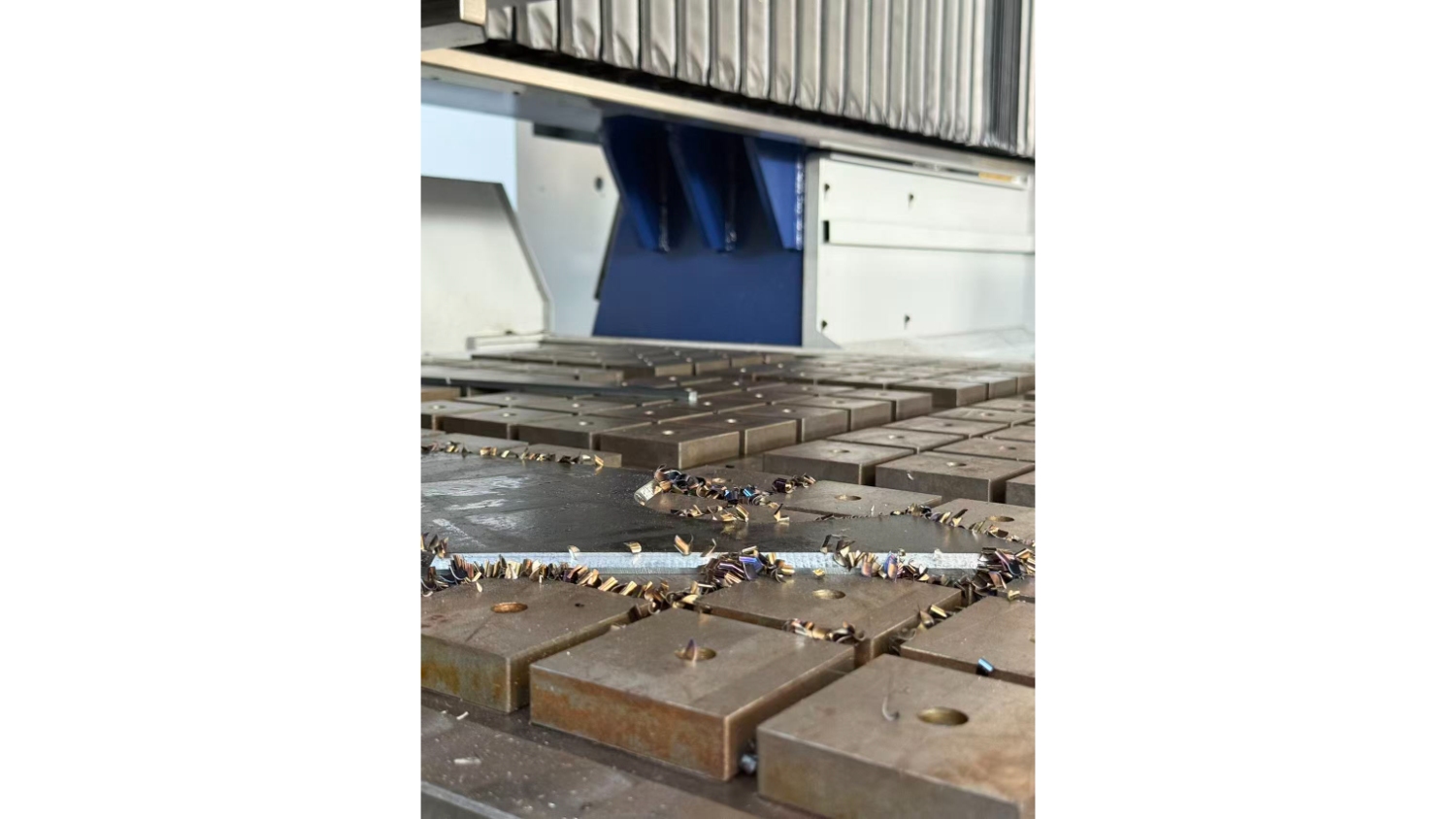
Equipped with a 3D vision beveling system and utilizing a cold-cutting process, the machine generates no high-temperature heat input during operation. This fundamentally eliminates common defects that compromise welding quality—such as surface oxidation, thermal deformation, and heat-affected zones. The resulting bevel surface is smooth and virtually burr-free, allowing for immediate progression to the welding stage; this eliminates the need for secondary grinding and streamlines the production workflow.
The equipment supports a wide range of bevel configurations. Standard capabilities include 0°, 30°, and 45° angles, as well as 1:4 and 1:6 bevel ratios; the use of specialized forming cutter heads enables the machining of V-type and I-type bevels, with custom bevel profiles available upon request. Beyond processing straight plate edges, the machine is capable of beveling complex, non-linear contours—including arcs and internal holes—breaking the limitations of traditional beveling machines restricted to straight edges.
G-Code-Free Programming Solves Workforce Challenges
Traditional CNC beveling equipment requires operators to master G-code programming, making it difficult for enterprises to recruit and retain skilled programmers. A key highlight of the GNC-131MC-2513 is that it eliminates the need for G-code programming.
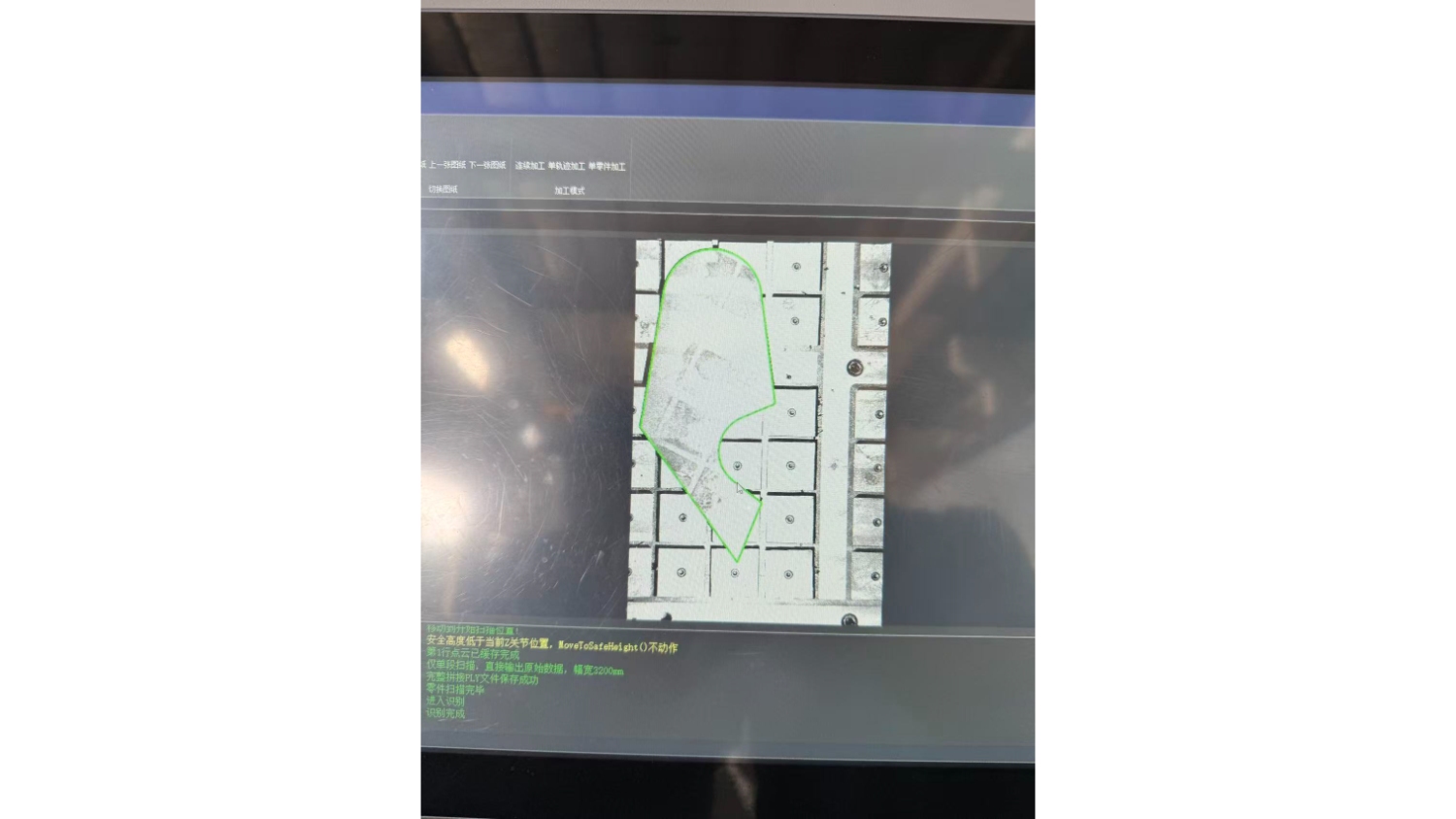
The visual human-machine interface (HMI) is intuitive and easy to understand. Operators define the edges to be beveled by inputting CAD drawings of the workpiece and setting parameters such as bevel angle and depth. Once the geometry is saved, the system automatically generates the machining path based on images captured by the camera. General staff can operate the equipment independently after brief training, effectively mitigating production stoppage risks caused by labor shortages or the loss of skilled technicians. The system features an integrated intelligent error-correction mechanism that monitors machining status in real-time, providing timely alerts and automatic adjustments for parameter anomalies or feed overloads.
It also supports blueprint storage and comparison; standard process drawings for common workpieces can be stored and instantly recalled for batch production, eliminating the need for repeated setup and ensuring consistent bevel quality across the entire batch.
Layered Cutting for Deep Bevels + Automatic Tool Changing: Ideal for Deep Machining
To address the deep-bevel machining requirements common in pressure vessel and heavy steel structure fabrication, the equipment is equipped with an automatic layered cutting function for deep bevels. When processing deep bevels, the system automatically calculates the cutting allowance and divides the operation into multiple passes. This progressive approach prevents issues such as tool breakage or plate deformation caused by excessive cutting depth in a single pass, thereby protecting the cutting tool while ensuring dimensional accuracy.
Additionally, the equipment features a tool magazine and automatic tool changing capabilities. For continuous machining scenarios involving various bevel specifications, the system automatically selects the appropriate tool and performs the changeover based on process requirements. This eliminates the need for manual machine stops to swap tools, significantly reducing auxiliary processing time and increasing the overall production line throughput.
Electromagnetic Clamping: Rapid and Stable Workpiece Positioning
The equipment utilizes electromagnetic clamping to secure the workpiece, ensuring simple operation and uniform clamping force. Suitable for workpieces with minimum dimensions of 200×200mm, the system enables rapid locking of carbon steel plates, preventing workpiece displacement during cutting that could otherwise lead to scrap. The standard worktable measures L2500×W1300mm, with customizable table sizes available to meet specific production needs for various workpiece specifications.
III. Core Technical Specifications
Parameter Item Technical Specification
Power Supply AC 380V, 50Hz
Required Air Supply ≥0.5 MPa
Processing Speed 0–3000 mm/min
Plate Thickness 6–60 mm
Bevel Angle 0°/30°/45°/1:4/1:6 (customizable forming cutter head)
Bevel Depth 0–50 mm
Workpiece Dimensions >200 × 200 mm
Processing Material Carbon steel
Table Dimensions L2500 × W1300 mm (customizable)
Bevel Type V-type/I-type (customizable)
Clamping Method Electromagnetic clamping
Equipment Weight 11,500 kg
Overall Dimensions L8520 × W3010 × H2890 mm
IV. Standardized Equipment Operation Workflow
This equipment eliminates complex CNC programming processes; instead, it utilizes a visual operating system to enable simple, standardized operations. The complete workflow consists of six major steps: startup preparation, workpiece clamping, process setup, visual recognition and path confirmation, automatic processing, and unloading upon completion.
1. Startup Preparation: Check that the power supply and air supply pressure (≥0.5 MPa) are normal; verify that the chip removal mechanism, tool magazine, and safety guards are free of abnormalities. Power on the equipment; the system automatically resets all servo axes to the zero position, and key moving parts perform an automatic lubrication self-check.
2. Workpiece Clamping and Positioning: Hoist the carbon steel plate to be processed onto the electromagnetic clamping table and align it with the positioning datum. Activate the electromagnetic clamping to secure the workpiece firmly, ensuring there is no rocking or shifting. For repeat batches, previously saved drawing files can be directly retrieved from the system.
3. Process Parameter Setup: Input the workpiece thickness, bevel angle, bevel depth, and feed rate via the visual interface. Enable the automatic multi-layer cutting mode for deep bevels. Select the appropriate tooling configuration from the tool magazine when processing multiple bevel specifications in succession.
4. 3D Vision Scanning and Path Verification: Initiate 3D vision scanning; the equipment automatically captures the workpiece profile, and the system generates the machining path. Activate the drawing comparison function to verify the alignment between the actual workpiece and the design profile; the system intelligently corrects errors, resolves misalignment or parameter conflicts, and confirms the accuracy of the machining path.
5. Fully Automated Machining: Confirm the safety zone is clear of personnel and foreign objects, then start automatic machining. Servo axes operate along the planned path, the tool magazine performs automatic tool changes as required, and deep bevels are machined using a progressive multi-layer cutting process. The chip removal system operates synchronously to clear metal chips in real-time. Throughout the process, the system monitors load, vibration, and tool status, automatically pausing and triggering an alarm if anomalies occur.
6. Unloading After Machining: Upon completion, the tool holder automatically returns to a safe standby position. Deactivate the electromagnetic chuck and hoist the finished workpiece off the machine. Perform spot checks on bevel quality; once completed, the next workpiece can be loaded, allowing the process to be repeated for batch production.
V. Typical Application Scenarios
The GNC-131MC-2513 Intelligent Edge Milling Machineis designed for carbon steel plates ranging from 6mm to 60mm in thickness. It accommodates both high-volume standardized production and high-mix, low-volume custom manufacturing, finding wide application across various heavy industry sectors:
1. Pressure Vessel Manufacturing: Used for machining V-type and I-type bevels on cylinder plates, head segments, and flange plates. It is suitable for pre-welding preparation of products such as boilers, oil storage tanks, and reactors. The deep-bevel multi-layer cutting process effectively meets the rigorous bevel precision standards required for pressure-bearing equipment.
2. Heavy Steel Structure Engineering: Beveling for factory steel structures, bridge components, pipe trusses, and box-section beams/columns/plates. It addresses production challenges such as high-volume beveling on thick plates and strict consistency requirements, while accommodating the multi-specification and frequent batch-switching nature of engineering orders.
3. Construction Machinery Manufacturing: Structural components for excavators, cranes, and loaders. It handles straight edges, internal holes, and complex profiles (such as arc transitions) for counterweights, frames, and connecting plates, reducing reliance on highly skilled labor and alleviating capacity pressure during peak order periods.
4. Shipbuilding and Marine Heavy Industry: Bevel pre-processing for ship deck components, mounting bases, and auxiliary steel structures. The cold-cutting process prevents thermal deformation, ensuring high-quality subsequent welding and reducing the need for grinding and rework.
5. General Equipment and Heavy Sheet Metal Processing: Carbon steel components such as heavy-duty frames, bases, conveyor systems, and dust removal equipment. Ideal for sheet metal factories and contract beveling workshops, it enables the processing of customer-supplied materials, thereby enhancing delivery capabilities and product competitiveness.
The equipment is suitable for both routine production lines in large manufacturing enterprises and as primary machinery for specialized contract beveling firms, delivering efficient processing for workpieces with complex contours, including straight edges, arcs, and internal holes.
VII. Summary of Comprehensive Equipment Value
Amidst the wave of intelligent transformation in manufacturing, automating the beveling process has become a key strategy for enterprises to reduce costs and increase efficiency. The GNC-131MC-2513 Intelligent Edge Milling Machineis leverages comprehensive advantages—such as 3D vision-guided cold cutting, a visual operating system requiring no programming, multi-pass cutting for large bevels, automatic tool changing, high-precision servo drives, and complex contour processing—to effectively resolve common pain points associated with traditional methods, including thermal deformation, heavy reliance on skilled labor, difficulties in processing complex workpieces, and high consumable costs.This equipment is widely applicable to the processing of carbon steel plates in sectors such as pressure vessels, heavy steel structures, construction machinery, marine equipment manufacturing, and general heavy industrial machinery.
It meets the demands of both high-volume standardized production and high-mix, low-volume customized manufacturing. By reducing labor input, minimizing material waste, streamlining workflows, and ensuring consistent product quality, it generates value for enterprises and serves as an excellent choice for upgrading plate beveling operations.

Mr. Jeff Huang
15251441199
Miss Doria Zhu
15102105304
Miss Jina Wang
18261592800






 Back
Back Prev
Prev
 Next
Next

 Dec 04,2025
 Kunshan, Jiangsu


 Leave a Message